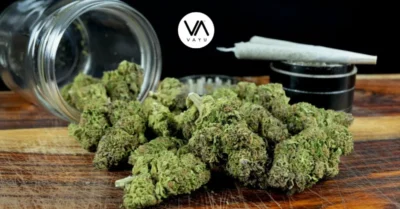
THC tolerance develops when repeated exposure reduces the sensitivity and availability of CB1 receptors in the brain. The key reason tolerance breaks (T-breaks) work so quickly is that these receptors are not permanently damaged; they are temporarily desensitised or pulled away from the cell surface. Once intake stops, recovery begins within 24–48 hours, with noticeable improvements in sensitivity often occurring within 7–14 days.
This guide is for regular users, occasional consumers noticing reduced effects, and anyone looking to improve efficiency with products like THCA flower. It explains the biology behind tolerance, how quickly it resets, and how to use T-breaks strategically.
What Is THC Tolerance?
THC tolerance is the reduced response to the same amount of THC over time. This happens because the brain adapts to repeated stimulation by adjusting its internal signalling system.
Role of CB1 Receptors
CB1 receptors are responsible for how THC affects:
- Mood and relaxation
- Appetite and sleep
- Memory and perception
With frequent exposure, the brain reduces receptor activity to maintain balance, leading to weaker effects from the same dose.
How THC Tolerance Develops in the Brain
Two biological processes explain tolerance:
- Desensitization: Receptors remain on the surface but respond less effectively
- Internalization: Receptors temporarily move inside the cell and become unavailable
Both processes reduce the overall impact of THC without destroying receptors.
Measurable Impact of Regular Use
- Daily users may experience up to 60–70% reduction in receptor availability
- Effects such as relaxation and intensity become noticeably weaker
- Higher doses are often required to achieve the same experience
This is why tolerance can build faster than expected, especially with high-potency products.
Why THC Tolerance Builds So Quickly
Frequency and Potency
Using frequently or consuming higher concentrations increases receptor exposure, accelerating adaptation.
Dose Escalation
When effects feel weaker, increasing dosage speeds up tolerance development even further.
Product Type
Formats like concentrates, edibles, and premium indoor THCA flower delivers higher cannabinoid levels, which can lead to faster receptor desensitisation.
Why T-Breaks Work So Quickly
Rapid Receptor Recovery
The brain begins restoring CB1 receptors almost immediately after THC is removed.
Key timeline:
- 24 hours: THC begins detaching from receptors
- 48–72 hours: Receptor sensitivity starts improving
- 7–14 days: Significant recovery in response
Receptor Reset vs. Full Detox
A common misconception is that you must wait for all THC to leave the body. In reality:
- Receptor recovery happens faster than metabolite clearance
- Stored compounds may remain for weeks
- Sensitivity improves long before complete elimination
This explains why even short breaks produce noticeable results.
Reversing Downregulation
Tolerance is caused by reduced receptor availability. A break allows the endocannabinoid system to:
- Restore receptor numbers
- Rebalance signaling
- Improve efficiency of response
THC Tolerance Break Timeline
Scientific Timeline of Recovery
Time Without THC | What Happens |
24 hours | THC begins detaching from receptors |
48–72 hours | Early receptor recovery begins |
1 week | Noticeable improvement in sensitivity |
2 weeks | Strong recovery in effects |
3–4 weeks | Near baseline receptor function |
Practical Interpretation
- Short reset (2–3 days): Quick improvement for daily users
- Moderate reset (7–10 days): Stronger and more noticeable effects
- Full reset (21–28 days): Maximum receptor restoration
What Happens During a T-Break
Physical and Mental Changes
During the first few days, some temporary adjustments may occur:
- Mild irritability
- Changes in sleep patterns
- Reduced appetite
- Increased mental clarity
These effects are usually short-lived and improve as the body rebalances.
Receptor Restoration Process
As the break continues:
- Receptors return to the cell surface
- Sensitivity increases
- Natural endocannabinoid signaling stabilizes
This leads to stronger effects once THC is reintroduced.
How Long Should a T-Break Be?
Based on Usage Level
Usage Type | Recommended Break |
Occasional | 48–72 hours |
Moderate | 7–10 days |
Daily | 14–21 days |
Heavy long-term | 21–30 days |
Even short breaks are effective, but longer breaks provide deeper and more lasting resets.
How to Make a T-Break More Effective
1. Stay Hydrated
Proper hydration supports overall body function and helps maintain balance during the break.
2. Maintain a Balanced Diet
Focus on foods that support metabolic function:
- Fiber-rich vegetables
- Whole grains
- Healthy fats
3. Use Alternative Support Products
Many users rely on CBD-based products during a break to maintain routine and comfort without affecting THC tolerance.
4. Light Physical Activity
Exercise may support overall balance and improve mood, especially during the first few days.
5. Replace the Habit
Maintaining a routine without THC can make the break easier. This may include:
- Herbal teas
- Evening relaxation routines
- Low-stimulation activities
Does CBD Affect THC Tolerance?
CBD does not reset THC tolerance because it does not activate CB1 receptors in the same way. However, it can help manage discomfort during a break and support relaxation without interfering with the reset process.
Signs You Need a T-Break
- Effects feel weaker than before
- Increased dosage without stronger results
- Shorter duration of effects
- Reduced overall satisfaction
Why This Matters for Product Experience
Tolerance directly affects how efficiently your body responds to cannabinoids. Without managing tolerance:
- Higher consumption is required
- Product value decreases
- Effects become less predictable
After a T-break, users often report stronger, cleaner, and more consistent effects, even with lower amounts of products like THCA flower.
Key Takeaways
- THC tolerance is caused by reduced CB1 receptor sensitivity
- Receptors recover quickly once intake stops
- Noticeable improvements occur within 7–14 days
- A full reset may take 3–4 weeks for frequent users
- T-breaks improve efficiency and overall experience
How fast does THC tolerance go down?
THC tolerance begins decreasing within 48 hours of stopping use. Most people notice improved sensitivity within a week, while deeper recovery continues over two to four weeks depending on usage patterns.
Is a 3-day tolerance break effective?
A 2–3 day break can produce noticeable improvements, especially for daily users. While it may not fully reset tolerance, it can significantly enhance receptor responsiveness.
Do you need to fully detox to reset tolerance?
No, full detox is not required. Receptor recovery happens faster than the elimination of stored metabolites, which is why effects improve even when THC is still present in the body.
Why do effects feel stronger after a break?
After a break, CB1 receptors regain sensitivity and return to normal function. This allows THC to bind more effectively, resulting in stronger and more noticeable effects.
How often should you take a tolerance break?
Frequency depends on usage, but regular users often benefit from a break every few weeks to maintain consistent effects and avoid excessive tolerance buildup.
Does using lower doses prevent tolerance?
Lower doses can slow tolerance development, but they do not completely prevent receptor desensitisation over time. Periodic breaks are still necessary for optimal results.