

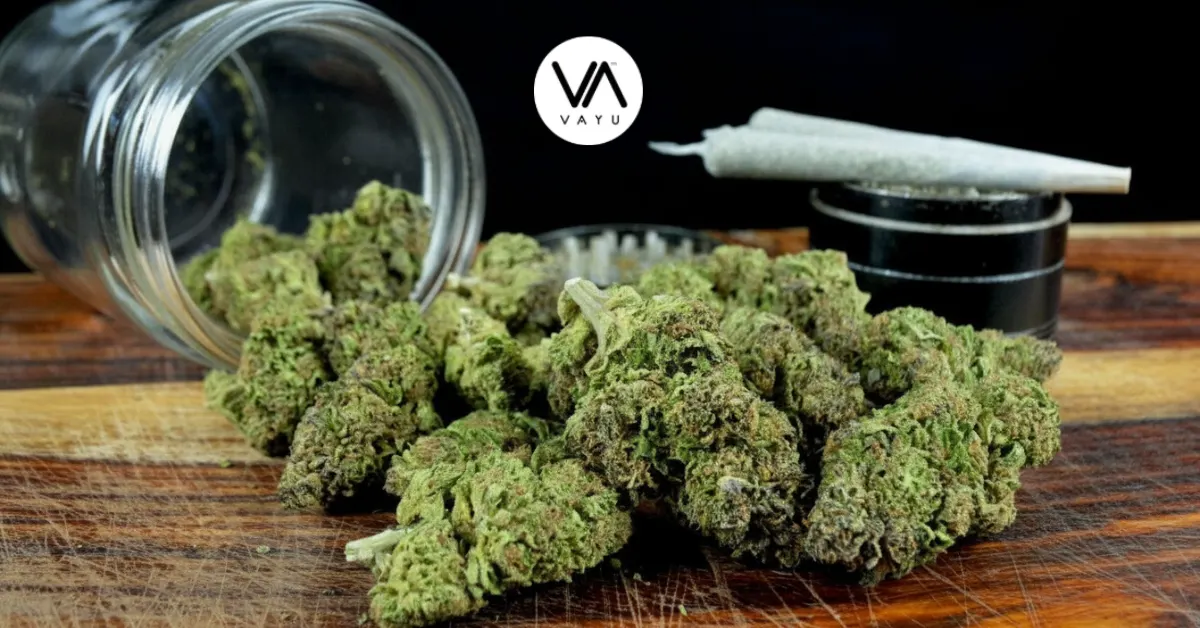
‘THC detox’ refers to the natural process by which the body eliminates THC metabolites after exposure to cannabinoid-based products. These metabolites, primarily THC-COOH, are stored in fat cells and released slowly over time, which is why detection can last days or even weeks after use.
This guide is for individuals preparing for a drug test, taking a tolerance break, or simply aiming to reset their system. It explains what actually happens in the body, what affects detox timelines, and which methods are scientifically supported versus commonly misunderstood.
How THC Is Processed in the Body
After intake, THC enters the bloodstream and is processed by the liver. It is converted into metabolites such as THC-COOH, which are not active but remain detectable.
Key process:
- THC enters the bloodstream.
- Converted in liver to metabolites
- Stored in fat tissues
- Gradually released and excreted through urine and stool
Because these metabolites are fat-soluble, they remain in the body longer than water-soluble substances.
Detection Windows: How Long Does THC Stay in Your System?
Detection time varies based on usage patterns and individual biology. Below is a realistic comparison based on commonly used testing methods.
Detection Timeline by Test Type
Test Type | Detection Window |
Urine | 1–3 days (occasional), up to 30+ days (frequent) |
Blood | Few hours to 1–2 days |
Saliva | A few hours to 48 hours |
Hair | Up to 90 days |
General Timeline Based on Usage
Usage Level | Estimated Detection Time |
One-time use | 3–4 days |
Moderate use | 7–14 days |
Daily use | 21–30+ days |
Heavy long-term | Up to 60 days |
These ranges are influenced by testing thresholds (e.g., 50 ng/mL vs. 20 ng/mL) and individual metabolism.
Factors That Affect THC Detox Speed
- Frequency and Potency: Regular use leads to accumulation of metabolites, extending detox time significantly.
- Body Fat Percentage: Higher fat levels provide more storage space for THC metabolites, slowing elimination.
- Metabolism: Faster metabolism supports quicker breakdown and removal.
- Activity Level: Active individuals may process stored compounds more efficiently over time.
- Product Type: High-potency formats like THCA flower can result in greater metabolite buildup after conversion, especially with frequent use.
Common THC Detox Myths (And Why They Don’t Work)
Myth 1: You Can Detox in 24 Hours
THC detox cannot happen instantly because metabolites are stored in fat and released gradually. Same-day solutions are unrealistic.
Myth 2: Drinking Excess Water Flushes THC
Water supports normal body function but does not remove stored metabolites. Overhydration can dilute urine and lead to invalid test results due to low creatinine levels.
Myth 3: Cranberry Juice or Lemon Water Works
These beverages support hydration but do not impact how THC is stored or metabolized.
Myth 4: Detox Drinks and Kits Are Effective
Most detox products only act as diuretics or temporary dilution methods. They do not accelerate metabolite breakdown.
Myth 5: Niacin or Vinegar Can Clean Your System
There is no scientific evidence supporting these methods. High doses may cause adverse effects without improving detox outcomes.
Myth 6: Sweating Removes THC Quickly
Sweating has minimal impact. While exercise supports fat metabolism over time, it does not produce immediate detox results.
What Actually Helps THC Leave the Body
1. Stop Intake Completely
Eliminating further exposure is the most important step. Detox cannot begin effectively until intake stops.
2. Maintain Proper Hydration
Consistent hydration supports kidney function and normal elimination processes without causing dilution issues.
3. Exercise Regularly (But Strategically)
Moderate cardio and strength training can help reduce fat stores over time. However, intense exercise immediately before a test may temporarily increase detectable levels due to fat breakdown.
4. Follow a Balanced Diet
A diet rich in fibre, vegetables, and lean proteins supports digestion and metabolic efficiency.
Helpful foods include:
- Leafy greens
- Whole grains
- Legumes
- Fruits rich in antioxidants
5. Prioritize Sleep
Sleep allows the body to focus on recovery and metabolic processes, supporting natural detoxification.
6. Manage Stress and Mood
During detox, some individuals may experience irritability or sleep disturbances. Practices like mindfulness or light activity can support stability during this period.
Can You Speed Up THC Detox for a Drug Test?
There is no proven method to rapidly eliminate THC metabolites before a test. The only reliable factor is time combined with healthy habits.
Important Considerations
- Labs check for sample validity markers such as creatinine, pH, and specific gravity
- Diluted samples may be flagged or rejected
- Attempting to alter results can lead to invalid or failed outcomes
Best Preparation Strategy
- Stop intake as early as possible
- Maintain a consistent routine of hydration, diet, and rest
- Avoid last-minute extreme measures
THC Detox Timeline Strategy
Short-Term (1–7 Days)
- Suitable for occasional users
- Focus on hydration and light activity
- Avoid reliance on quick-fix methods
Medium-Term (2–4 Weeks)
- Typical for moderate users
- Combine exercise, balanced diet, and consistent sleep
Long-Term (1–2 Months)
- Required for frequent or heavy users
- Emphasis on sustained lifestyle adjustments
weed gained attention in Western medicine, with documented use for:
- Pain relief
- Muscle spasms
- Neurological conditions
However, by the early 20th century, regulations increased globally, shifting public perception and limiting access in many regions.
21st Century Shift
In recent years, interest has shifted toward cannabinoids and their potential applications. Advances in cultivation and extraction have led to:
- High-THCA flower with improved purity
- Controlled indoor growing environments
- Lab-tested cannabinoid profiles
This evolution reflects a return to quality-focused cultivation, similar in intent to early uses but supported by modern science.
The Role of Modern Products in THC Exposure
With the rise of high-quality cannabinoid products, exposure levels can vary significantly. For example, users of premium indoor THCA flower may experience higher metabolite accumulation depending on frequency and dosage. Understanding product potency helps set realistic detox timelines and expectations.
Key Takeaways
- THC metabolites are stored in fat and released gradually
- Detection windows vary widely based on usage and body composition
- Most detox “shortcuts” are ineffective or misleading
- Hydration, diet, exercise, and sleep support natural detox
- Time and abstinence remain the most reliable factors
Final Thoughts
THC detox is a gradual biological process influenced by multiple factors, including usage patterns, metabolism, and body composition. While many quick-fix solutions claim rapid results, they do not address how the body actually stores and eliminates THC metabolites.
A realistic approach focuses on consistency, stopping intake, maintaining healthy habits, and allowing sufficient time for the body to function as intended.
How long does it take for THC to leave the body completely?
The timeline varies depending on usage. Occasional users may clear metabolites within a few days, while frequent users may require several weeks or longer due to accumulation in fat tissues.
Can drinking water help pass a drug test?
Water supports overall body function, but excessive intake may dilute urine and lead to an invalid test result rather than a confirmed negative.
Do detox drinks actually work?
Most detox drinks do not remove THC metabolites. They may temporarily dilute urine, but this does not change how the body stores or processes these compounds.
Does exercise speed up THC detox?
Regular exercise can support fat metabolism over time, which may help reduce stored metabolites. However, it does not produce immediate results and should not be relied on as a quick solution.
What is the most effective way to detox from THC?
The most effective approach is stopping intake and allowing the body time to naturally eliminate metabolites while maintaining healthy lifestyle habits.
Can THC be removed from the body in 24 hours?
No, complete detox within 24 hours is not realistic because metabolites are stored in fat cells and released gradually over time.
Shop VAYU - Lab-Tested, Hemp-Derived, 21+
Every VAYU product is third-party lab-tested with a published Certificate of Analysis. Explore THCA flower, concentrates, vapes, gummies and pre-rolls.

