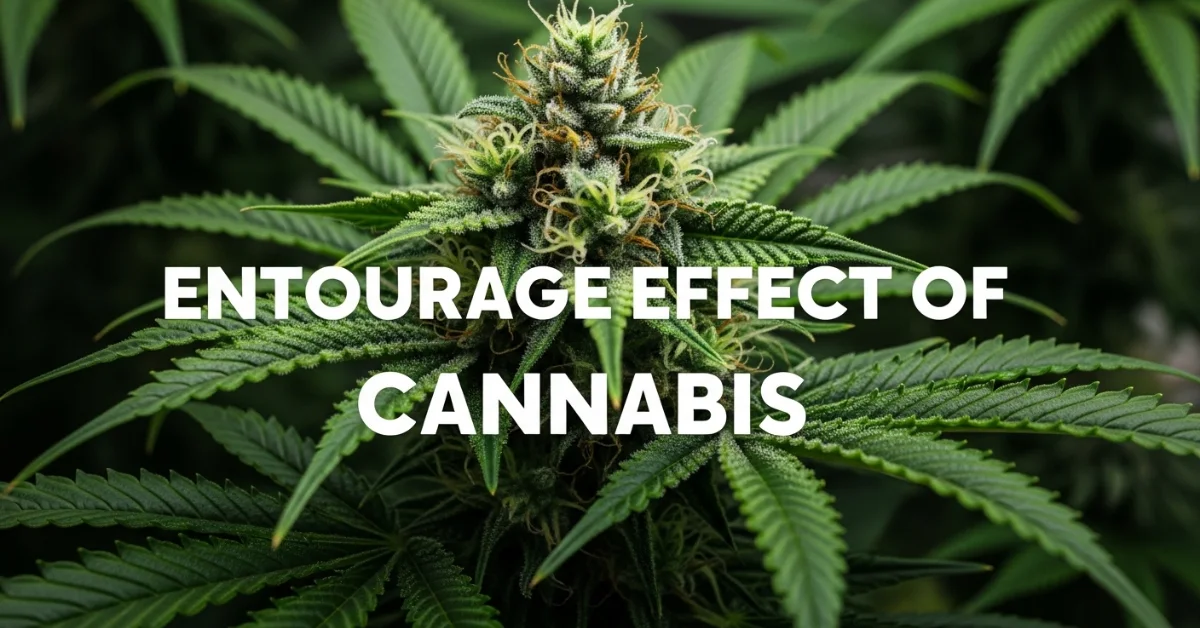
The entourage effect is a concept that explains why cannabis products containing many natural compounds often feel more effective than those made with only one isolated ingredient. Instead of focusing on a single cannabinoid such as THC or CBD, this idea highlights how the plant’s compounds interact and support one another. Cannabinoids, terpenes, and other minor molecules appear to work together in a way that amplifies their individual effects.
As consumer interest in full-spectrum and minimally processed products continues to grow, the entourage effect has become a central topic in modern cannabis and hemp research. This theory first gained attention in the late 1990s, when researchers studying whole-plant cannabis noticed that combination-based formulations sometimes performed better than purified compounds.
Since then, small laboratory studies, animal research, and limited human trials have suggested that using multiple cannabinoids together may enhance benefits such as pain relief, seizure control, and emotional balance. While the entourage effect is still being explored, it has changed how people think about extraction, formulation, and product selection.
How Synergy Works Inside the Plant
Cannabis is chemically complex. The plant produces more than 80 cannabinoids along with hundreds of aromatic compounds known as terpenes. Each compound has its own properties, but their real value may come from how they influence one another. When taken together, these molecules can shape absorption, receptor activity, and overall response in the body.
Rather than acting independently, cannabinoids may modify how strongly another compound binds to receptors or how quickly it is broken down. Terpenes may further guide these effects by influencing mood, inflammation, or alertness. This cooperative interaction is what makes whole-plant products feel more layered and balanced than isolates.
The Main Compounds Involved
Two cannabinoids are best known, THC and CBD. THC is responsible for the psychoactive “high” associated with cannabis, while CBD is non-intoxicating and commonly linked to relaxation, pain relief, and reduced inflammation. Beyond these, the plant also produces minor cannabinoids such as CBG, CBN, and CBC, each with emerging therapeutic potential.
Terpenes add another dimension. These aromatic molecules give cannabis its distinct scent, but they also appear to influence how cannabinoids behave in the body. Research suggests that certain terpenes may enhance or soften the effects of THC and CBD, making them key players in the entourage effect.
Evidence Supporting the Entourage Effect
Laboratory and animal studies have shown that combinations of cannabinoids can produce stronger effects than isolated compounds. In epilepsy research, lower doses of CBD-rich whole-plant extracts were found to reduce seizures more effectively than purified CBD alone. In cell studies, complete cannabis extracts performed better than single cannabinoids when tested against certain disease models.
Human research is still limited, but early findings indicate that THC and CBD together may provide better pain relief than THC alone. There is also evidence that CBD can reduce some of THC’s unwanted side effects, such as anxiety and mental discomfort. These results point toward the value of balanced formulations rather than single-molecule products.
Why Ratios Matter
Cannabis products are often classified by chemovars, which describe their cannabinoid profiles. Some are THC-dominant, others are CBD-dominant, and many contain a blend of both. Although no official medical ratio has been approved, research has explored CBD-heavy formulas, including ratios close to 1:39.4 THC to CBD. These combinations have been studied for inflammation, pain, anxiety, and mood-related symptoms.
Different ratios allow users to tailor their experience. A CBD-forward profile may feel calming and clear, while balanced products may offer both physical relief and gentle mental effects.
Full-Spectrum, Broad-Spectrum, and Isolates
Not all cannabis and hemp products deliver the same range of compounds. Full-spectrum extracts retain cannabinoids, terpenes, and trace plant molecules. Broad-spectrum products remove THC but keep other compounds. Isolates contain only a single cannabinoid, usually CBD or THC.
The entourage effect is most associated with full-spectrum formulations, which maintain the plant’s natural complexity. Many consumers seeking a more complete experience prefer these over isolates, which lack supporting compounds.
Comparison of Product Types
Type | Compound Range | Entourage Potential |
Full-Spectrum | Cannabinoids + terpenes | High |
Broad-Spectrum | Cannabinoids, no THC | Moderate |
Isolate | Single compound | Low |
How This Relates to Modern Extracts
Extraction methods influence whether the entourage effect is preserved. Solventless techniques and carefully processed solvent-based methods can retain a wide range of cannabinoids and terpenes. Many users explore this synergy through products like live resin, rosin, CBD concentrates, and terpene-rich oils available through trusted platforms.
As interest grows in balanced formulations, brands are moving away from single-compound products and toward full-spectrum options that reflect the plant’s natural profile.
Ongoing Research and Future Potential
Although the entourage effect is still considered a theory, the growing body of evidence continues to spark scientific interest. Researchers are now studying how rare cannabinoids and terpene combinations may influence mood, sleep, and immune response. With legalization and improved access to research, a deeper understanding of cannabis synergy is expected.
Final Thought
The entourage effect highlights the importance of cannabis as a whole plant rather than a single compound. As research continues, this concept is shaping how consumers, scientists, and producers view the future of cannabis-based wellness.
Frequently Asked Questions
It is the idea that cannabinoids and terpenes work better together than alone.
Some studies support it, but more large-scale human research is still needed.
Many users report more balanced and noticeable results from full-spectrum formulas.
Yes, single-compound products can still provide targeted benefits.
Full-spectrum extracts, flower, and terpene-rich concentrates show the strongest synergy