Small batch THCA flower cultivation has become a benchmark for quality in the modern hemp space. As consumers grow more informed, attention has shifted away from volume-driven production and toward craftsmanship, plant care, and post-harvest precision. Small batch growing focuses on limited plant counts, hands-on cultivation, and slow, controlled processes that protect THCA, terpenes, and overall flower integrity. This approach consistently delivers cleaner, more aromatic, and more potent flower compared to large-scale operations.
THCA flower quality is not defined by potency numbers alone. It reflects how carefully the plant is grown, harvested, cured, stored, and tested. Small batch methods allow growers to manage each of these stages with greater accuracy, leading to a final product that retains its natural structure and chemical balance.
Controlled Cultivation from the Start
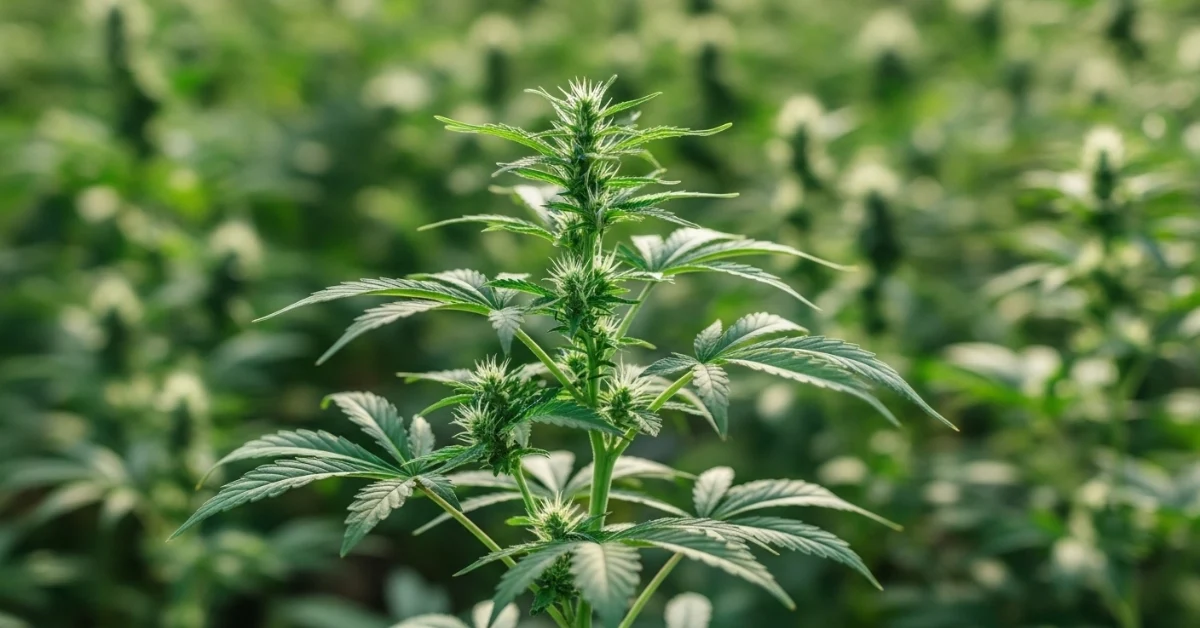
Small batch grows begin with deliberate strain selection. Growers choose genetics bred specifically for high THCA expression, stable cannabinoid ratios, and rich terpene development. Because plant counts are limited, cultivators can closely monitor environmental conditions such as temperature, humidity, airflow, and light intensity throughout the growth cycle.
Indoor small batch cultivation is especially valued because it eliminates unpredictable external factors. Lighting schedules are adjusted to optimize resin production, and nutrients are fine-tuned based on each plant’s development stage. This level of attention is difficult to achieve in large commercial facilities, where automation often replaces observation.
Living soil practices are also more common in small batch environments. Microbe-rich soil supports stronger root systems and more complex terpene profiles. The result is flower that expresses its genetics fully rather than simply maximizing yield.
Harvest Timing and Trichome Preservation
One of the most important advantages of small batch THCA flower is precise harvest timing. THCA exists in its highest concentration when trichomes reach peak maturity. Harvesting too early limits cannabinoid development, while harvesting too late increases the risk of natural decarboxylation.
Small batch growers inspect trichomes visually rather than relying on rigid schedules. Plants are cut when resin glands show optimal cloudiness, signaling maximum THCA retention. Hand-harvesting is typically used, which prevents trichome damage and preserves the resin heads that contain cannabinoids and terpenes.
Large-scale operations often harvest entire rooms at once for efficiency, even if individual plants are not at their peak. This compromise is avoided in small batch systems.
Slow Drying and Extended Curing
After harvest, small batch THCA flower undergoes slow drying in carefully controlled environments. Temperatures remain low, and humidity levels are managed to prevent mold while protecting volatile compounds. Rapid drying, often used in high-volume production, leads to terpene loss and harsh smoke.
Curing is where small batch flower truly separates itself. Extended curing periods allow moisture to redistribute evenly throughout the buds while chlorophyll breaks down naturally. This process enhances aroma, smoothness, and stability. Proper curing also helps maintain THCA in its acidic form by limiting exposure to heat, light, and oxygen.
Because batches are small, growers can monitor jars or containers individually, making adjustments as needed. This hands-on curing approach results in flower that smells fresh, tastes clean, and remains chemically stable over time.
Cold Handling and Storage Practices
THCA is sensitive to heat and light, which makes post-harvest handling critical. Small batch producers are more likely to use cold storage methods and minimal processing to preserve cannabinoid structure. Flowers are stored in temperature-controlled spaces and packaged in materials that block UV exposure.
Vacuum sealing, when used correctly, reduces oxidation without compressing the buds. Glass jars with humidity control are also common for premium releases. These methods protect both potency and terpene expression.
In contrast, mass-produced flower is often packaged quickly to meet distribution demands, increasing the risk of degradation before it reaches the consumer.
Solvent vs Solventless Processing Awareness
While THCA flower itself is not an extract, cultivation philosophy often overlaps with extraction values. Small batch growers typically align with solventless principles, prioritizing mechanical and temperature-based preservation rather than chemical intervention.
The difference between solvent and solventless approaches reflects a broader quality mindset.
Aspect | Solvent-Based Methods | Solventless Methods |
Processing style | Uses chemical agents | Uses heat, pressure, or ice |
Risk of residue | Possible if poorly refined | None |
Terpene retention | Variable | Typically higher |
Alignment with small batch | Less common | More common |
This same philosophy applies to flower handling, where minimal interference leads to a cleaner final product.
Testing, Transparency, and Compliance
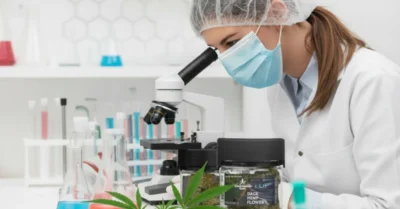
Small batch THCA flower is typically backed by detailed third-party lab testing. Certificates of Analysis verify THCA percentage, confirm that Delta-9 THC remains below legal limits, and screen for contaminants such as pesticides, heavy metals, and mold.
Because batches are limited, testing results are more representative of the actual product being sold. This transparency builds trust and allows consumers to understand exactly what they are purchasing.
Products like THCA flower benefit from this approach, as consistency and safety remain intact from batch to batch.
Visual, Aromatic, and Structural Quality
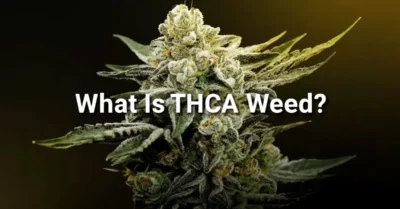
High-quality small batch THCA flower is visually distinct. Buds are dense but not compressed, with intact trichomes that give a frosted appearance. Color remains vibrant, and pistils are well-preserved.
Aroma is another indicator. Small batch curing preserves layered terpene profiles, resulting in scents that are complex rather than flat. Texture also reflects quality, with buds that feel slightly sticky yet firm, indicating proper moisture balance.
These traits are difficult to maintain at scale but are standard outcomes of careful, low-volume cultivation.
Why Consumers Prefer Small Batch THCA Flower
Consumers increasingly seek flower that offers more than high numbers on a label. Small batch THCA flower delivers reliability, flavor, and a smoother experience. It also aligns with ethical and sustainable growing practices, as smaller operations often focus on environmental responsibility and plant health.
Products associated with premium hemp flower, cold-cured concentrate, and terpene-rich strains often come from these limited grows. The emphasis on quality over quantity resonates with buyers who value consistency and craftsmanship.
The Long-Term Value of Small Batch Growing
Small batch THCA flower is not a trend but a response to educated demand. As testing standards rise and consumers become more selective, cultivation methods that protect cannabinoids and terpenes will continue to define premium quality.
Limited production allows for innovation, genetic refinement, and process improvement without sacrificing integrity. Over time, this approach sets a higher standard for what THCA flower can be.
Frequently Asked Questions
Small batch flower is grown in limited quantities with hands-on care, allowing better control over growing, harvesting, and curing, which results in higher overall quality.
Potency can be similar, but small batch flower often retains cannabinoids more effectively due to precise harvest timing and gentle post-harvest handling.
Proper curing preserves terpenes, improves smoothness, and helps prevent THCA from degrading into THC due to excess heat or moisture loss.
Yes. Controlled curing and proper packaging reduce oxidation and light exposure, helping the flower maintain freshness longer.
Look for detailed lab reports, batch-specific information, terpene profiles, and signs of careful trimming and packaging rather than uniform mass-produced buds.