Cold cured live rosin is valued for its smooth texture, strong cannabinoid profile, and rich terpene content. Because it is a solventless concentrate made with minimal processing, it remains chemically active even after curing. This makes proper storage essential. When stored incorrectly, cold cured live rosin can lose aroma, darken in color, change texture, and decline in strength much faster than expected.
Understanding how environmental factors affect rosin helps preserve its quality from the moment it is cured until it is consumed.
Why Cold Cured Live Rosin Needs Special Care
Cold cured live rosin is created by sealing freshly pressed rosin at low temperatures to encourage controlled crystallization. This process protects sensitive compounds, but it also means the final product remains delicate. Cannabinoids and terpenes continue to react with their surroundings. Light, heat, oxygen, and moisture slowly break down these compounds. Without proper storage, even premium rosin can degrade within weeks.
Many consumers pair rosin use with other cannabis formats such as THCA concentrates or live rosin vapes, but cold cured rosin requires more careful handling than most products. Treating it like a shelf-stable item often leads to rapid quality loss.
Environmental Factors That Affect Rosin Quality
Several external elements influence how long cold cured live rosin stays fresh:
- Temperature: Higher temperatures speed up chemical reactions and terpene evaporation
- Light: UV and visible light degrade cannabinoids over time
- Oxygen: Air exposure leads to oxidation, reducing potency and aroma
- Humidity: Excess moisture risks texture changes and contamination
Each factor alone can cause gradual decline. Together, they can dramatically shorten shelf life.
Choosing the Right Storage Container
The container used for storage plays a critical role. Cold cured live rosin should always be stored in airtight, non-reactive containers.
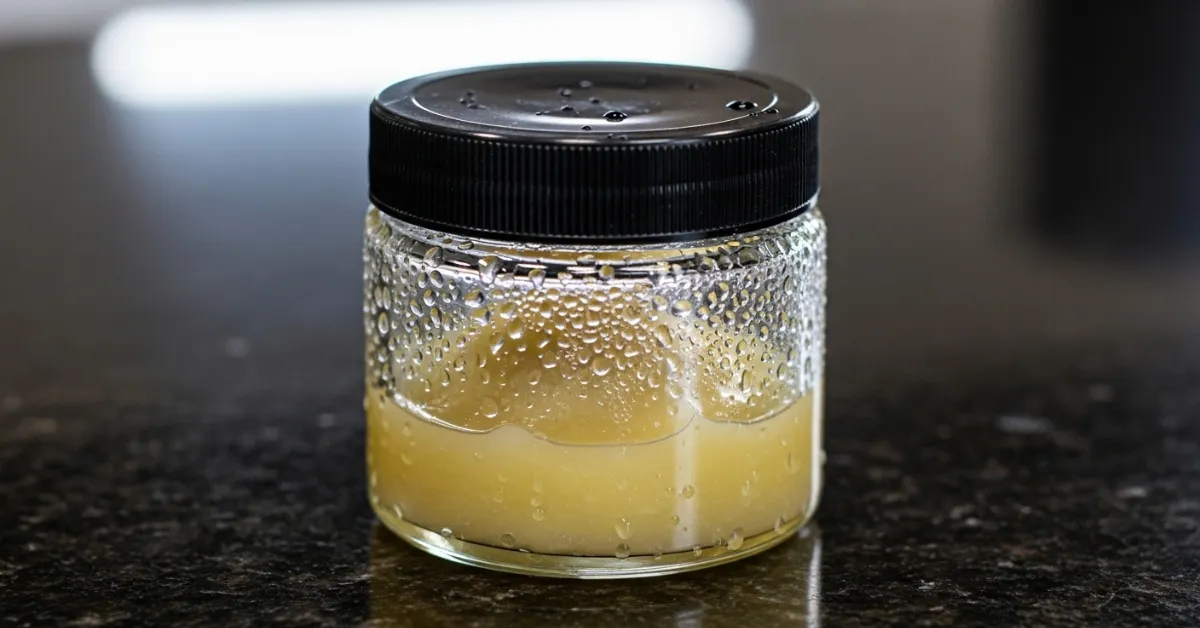
Glass jars are the most reliable option. Glass does not interact with terpenes and creates a strong barrier against oxygen. Silicone containers may work for short-term handling, but acidic terpenes can slowly break down silicone, affecting flavor and purity over time. Plastic containers are not recommended, as they allow air exchange and may leach unwanted compounds.
For users who also store THCA diamonds or live resin dabs, glass containers offer consistent protection across concentrate types.
Airtight Sealing and Oxygen Control
Oxygen exposure is one of the fastest ways to degrade rosin. Each time a container is opened, fresh air enters and oxidation begins again. To minimize this:
- Use small jars to reduce repeated air exposure
- Fill containers appropriately to limit empty headspace
- Reseal containers immediately after use
For long-term storage, vacuum-sealed glass containers offer additional protection. This approach is commonly used by processors storing bulk quantities of solventless extracts.
Ideal Storage Temperature Range
Cold cured live rosin performs best when stored at consistently low temperatures. The goal is to slow chemical activity without introducing moisture problems.
Refrigeration between 32–40°F (0–4°C) is ideal for short-term storage lasting days or weeks. This temperature range slows terpene loss while keeping texture stable.
For longer storage periods, freezing at -4°F (-20°C) can nearly halt degradation. Many collectors freeze rosin the same way they preserve rare batches of THCA flower or specialty extracts.
Fridge vs. Freezer Storage
Storage Method | Best For | Key Benefits | Potential Risks |
Refrigerator | Short-term use | Easy access, stable texture | Slight terpene loss over time |
Freezer | Long-term storage | Minimal degradation | Condensation if opened cold |
Room Temperature | Temporary handling | Convenience | Rapid potency and flavor loss |
This comparison highlights why cold storage is essential for maintaining rosin quality.
Light Protection and Placement
Light exposure accelerates cannabinoid breakdown. Even indoor lighting can slowly degrade rosin if exposure is constant. Storage containers should be placed in dark environments such as closed drawers, cabinets, or opaque boxes.
If stored in a refrigerator with internal lighting, placing the jar inside an additional dark container adds extra protection. This same principle applies to other premium items like live resin vapes, which also benefit from reduced light exposure.
Managing Humidity and Moisture
Cold cured live rosin contains little water, but environmental humidity still matters. Excess moisture can introduce condensation, especially during temperature changes. Very dry conditions can also alter texture.
A stable environment around 55–62% relative humidity is ideal. Refrigerators naturally maintain lower humidity, making them suitable for rosin storage. Avoid damp storage locations such as bathrooms or basements.
Proper Handling and Temperature Transitions
Handling technique matters just as much as storage conditions. Always use clean dab tools rather than fingers. Body heat and skin oils can affect rosin texture and purity.
When removing rosin from cold storage, allow the sealed container to reach room temperature before opening. This prevents condensation from forming inside the jar. Once warmed, the rosin can be used safely and returned to cold storage afterward.
Portioning for Freshness
Frequent opening accelerates degradation. Dividing cold cured live rosin into smaller portions reduces exposure and preserves freshness longer. This approach works well for consumers who rotate between products like THCA concentrates and edibles such as gummies, allowing each item to remain sealed when not in use.
Labeling containers with strain names and storage dates also helps track freshness and ensures older batches are used first.
Signs of Improper Storage
Improperly stored rosin often shows visible and sensory changes:
- Loss of aroma or muted terpene profile
- Darkening color
- Dry, crumbly, or overly sticky texture
- Reduced effects due to cannabinoid degradation
These changes indicate exposure to heat, air, light, or moisture.
Common Storage Mistakes to Avoid
Leaving rosin at room temperature for extended periods is one of the most frequent mistakes. Using non-airtight containers or opening jars while cold also causes unnecessary damage. Storing rosin near heat sources or in direct light further accelerates degradation.
Avoid storing rosin alongside strongly scented items, as terpenes can absorb external odors over time.
Long-Term Quality Preservation
When cold cured live rosin is stored correctly, it can maintain its original flavor, potency, and texture for months. The same principles apply across solventless products, from rosin to select vape formats like live rosin vapes, emphasizing the importance of temperature control and airtight sealing throughout the supply chain.
Frequently Asked Questions
When refrigerated, it can retain quality for several weeks. Frozen storage can preserve it for several months with minimal degradation.
Room temperature storage is only suitable for very short periods. Extended exposure leads to terpene loss and potency decline.
Freezing is better for long-term storage, while refrigeration is more convenient for frequent use.
Texture changes occur due to temperature fluctuations, air exposure, and gradual terpene evaporation.
Rosin should be sealed separately to avoid odor transfer, especially when stored near items like THCa flower or infused edibles.