
A high THC vape isn’t just about pushing potency to the limit, it’s about understanding what truly defines a high THC vape in today’s fast-growing market. As extraction methods advance and vape hardware becomes more efficient, cartridges are delivering stronger and cleaner hits than ever before. Many products now reach impressive potency levels, offering intense effects even with minimal use.
With so many options competing for attention, knowing how high THC levels are measured helps users navigate the market with clarity and confidence, ensuring they choose a product that matches their expectations and experience level.
What is the Average THC % for Hemp and Cannabis Products in the US?
Across the United States, hemp and cannabis products show a clear divide in THC levels because they are grown and processed for very different uses. Hemp remains under 0.3% THC, which keeps it non-intoxicating and suitable for wellness-focused products built around cannabinoids like CBD.
Cannabis flower sits much higher, with most strains falling between 15% and 30% THC, and a few reaching stronger levels through selective breeding. Concentrates stand at the top of the potency range, often landing between 50% and 90% THC due to extraction methods that isolate cannabinoids into a dense, powerful form.
Historical THC Percentages of the Growing Cannabis Industry
Decades ago, THC levels looked nothing like what today’s consumers see. Cannabis from the 1960s and 1970s often carried only 1% to 3% THC, and even those levels were considered strong at the time.
.Testing conducted over the years by government-backed laboratories shows how potency shifted as cultivation improved and demand increased. Samples taken from the illegal market through the 1990s and early 2000s confirm a steady rise, reflecting better growing techniques, stronger genetics, and a growing focus on cannabinoid-rich plants.
What Factors Influence THC Percentage in Vaping Devices?
Extraction Process
The way the oil is extracted plays a major role in shaping its final potency. Distillate-based oils sit at the top of the strength scale because they go through extensive refinement that strips away most of the plant material, leaving a highly concentrated form of THC.
On the other hand, live resin, rosin, and full-spectrum extracts keep more of the original cannabinoids and terpenes, which naturally lowers the THC percentage while creating a richer, more layered experience. Every extraction approach comes with its own chemical profile, and that profile determines how strong the vape will feel once heated.
Cannabinoid Content
The natural chemistry of the plant also influences the THC level long before it reaches a cartridge. Strain genetics, cultivation practices, and the overall cannabinoid balance determine how potent the raw material will be. Some plants produce high levels of THC, while others carry a wider mix of minor cannabinoids that dilute the final percentage after processing.
When manufacturers refine or blend those compounds, the THC concentration can shift depending on whether they focus on purity, flavor, or entourage-effect benefits. Because of this, two vapes with similar labels can feel noticeably different once used.
Concentration of THC & Quality of the Vaping Hardware
The oil itself is only part of the equation and choosing the right disposable THC vapes online (link to be placed) can make a big difference, as hardware has a surprisingly strong impact on how much THC you actually inhale. Coils that heat evenly, steady airflow, and a reliable battery all influence vapor output and the efficiency of THC delivery. Higher temperatures can intensify the vapor but may alter its composition, while softer draws produce a milder effect.
Device build, user technique, and heating precision all combine to determine how much of the labelled THC makes it from the cartridge into the user’s system. A well-designed vape ensures consistent vaporization, helping the oil perform at its intended potency.
THC: Cannabis Plant vs. Hemp Plant
THC levels can vary widely depending on whether the source plant is hemp or cannabis, and this difference shapes everything from effects to legality. Understanding how each plant is grown, processed, and regulated helps you see why their final products fall into completely different categories.
Benefits and Side Effects of CBD
CBD is most commonly sourced from hemp because it offers therapeutic value without intoxication. Many people use it to support relaxation, mood balance, or general wellness. Its gentler nature makes it appealing for daily use, yet it can still cause mild effects such as fatigue or changes in appetite for some individuals.
Even with those potential reactions, CBD remains a popular option for those seeking plant-based benefits without the intensity associated with high-THC cannabis products.
Extraction and Production
Hemp and cannabis each follow distinct paths from cultivation to final product. Industrial hemp grows densely in large fields and is harvested with machinery to produce fiber, seeds, and CBD-rich material. Cannabis grown for THC-rich products, however, requires individualized care, controlled environments, and hand-harvesting to protect its delicate, resin-heavy flowers.
The extraction methods also differ based on the desired outcome: hemp is typically processed for oils, textiles, and seed derivatives, while cannabis undergoes more specialized extraction to preserve cannabinoids for therapeutic or recreational use.
Legal Status
Hemp is federally legal in the United States as long as it stays below the established THC threshold, allowing it to be cultivated and sold as an agricultural commodity. Cannabis with higher THC levels remains federally restricted, though many states have legalized it for medical or adult use. This legal divide stems entirely from THC concentration, not botanical differences, creating two separate regulatory systems for plants that originate from the same species.
What Constitutes a Low THC Vape?
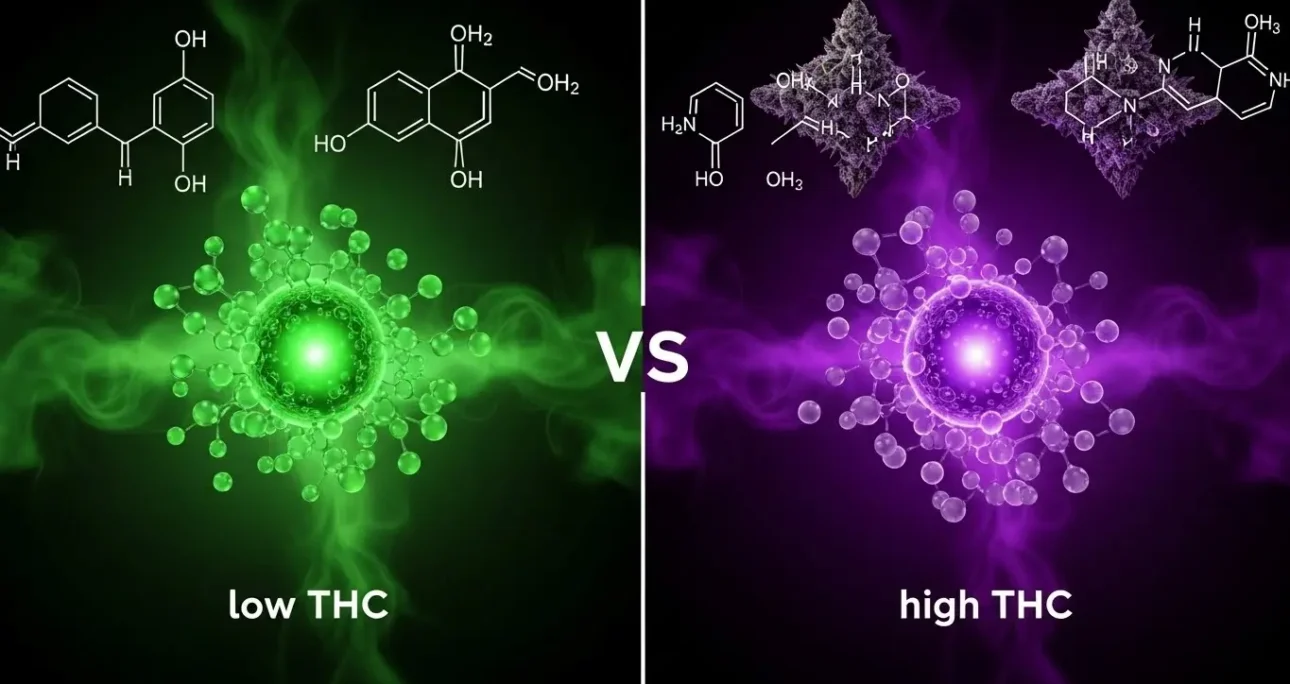
A low THC vape is a product designed to deliver mild effects without causing intoxication. Typically, these vapes contain 10% THC or less, or for hemp-derived products, under 0.3% delta-9 THC by dry weight. This ensures they comply with federal regulations while offering a gentle experience for users seeking relaxation without a strong high.
Frequently Asked Questions
Conclusion
High THC vapes represent the most potent end of the cannabis product spectrum, shaped by advanced extraction methods, concentrated oils, and increasingly efficient hardware. While some cartridges now reach extraordinary potency levels, strength alone does not define quality or suitability. Factors such as extraction type, cannabinoid balance, device performance, and personal tolerance all play a role in how intense the experience feels.