
Cold cured live rosin is a solventless cannabis concentrate known for its smooth texture, rich aroma, and preserved terpene profile. Its popularity continues to grow because it relies on careful handling rather than chemical solvents, making the process cleaner and more natural. Understanding how cold cured live rosin is made helps explain why it is valued for consistency, stability, and flavor.
At its core, cold curing is a post-extraction method. The quality of the final product depends not only on the curing technique but also on the starting material, environmental control, and patience throughout the process.
Understanding Live Rosin Before Curing
Live rosin starts with fresh-frozen cannabis rather than dried flower. Freezing the plant immediately after harvest helps preserve cannabinoids and terpenes that would otherwise degrade over time. These frozen plants are processed into ice water hash, which is then pressed using heat and pressure to extract rosin.
Unlike products made with solvents, live rosin maintains a close connection to the plant’s natural profile. This is one reason solventless extracts are commonly discussed alongside premium concentrates.
What “Cold Curing” Actually Means
Cold curing refers to storing freshly pressed rosin at controlled, low temperatures for a set period. Instead of using heat to manipulate texture, cold curing allows natural molecular changes to occur slowly. Over time, cannabinoids and terpenes reorganize, transforming sticky fresh press rosin into a more stable, workable consistency.
Temperatures are generally kept cool and steady. The goal is to avoid terpene loss while allowing the rosin to “set” into a smooth, butter-like form.
Key Stages in Making Cold Cured Live Rosin
The process follows a logical progression, with each stage influencing the final quality.
Starting With Fresh-Frozen Material
Only high-quality, trichome-rich plants are suitable. Fresh-frozen cannabis helps ensure that volatile compounds remain intact.
Ice Water Hash Production
Trichomes are separated using cold water and agitation. This step produces hash that is rich in cannabinoids and terpenes without chemical interference.
Rosin Pressing
The dried hash is pressed at low temperatures and controlled pressure. This extracts the rosin while minimizing degradation.
Jar Storage and Cold Cure
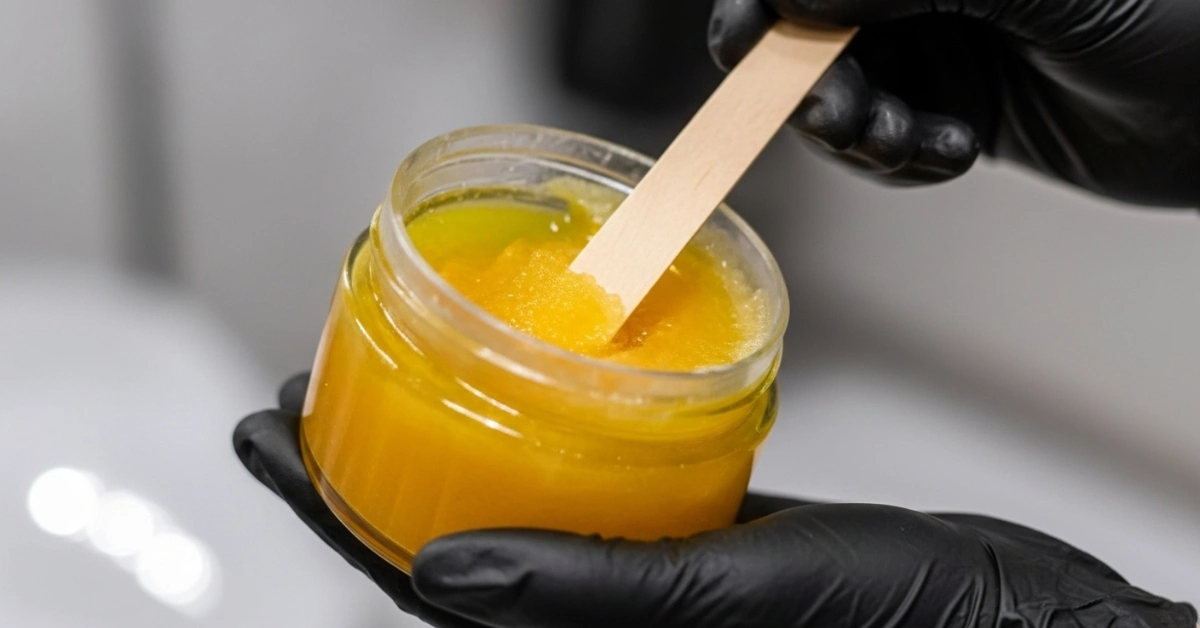
Fresh rosin is placed into airtight glass containers and stored in a cool, dark environment. Over days or weeks, texture and aroma develop naturally.
Optional Light Agitation
Some producers gently stir the rosin during curing to improve consistency. This step is optional and depends on the desired final texture.
Why Temperature Control Matters
Temperature stability is one of the most important factors in cold curing. Excess heat can cause terpenes to evaporate, while fluctuating conditions can lead to uneven texture. Cold curing allows gradual crystallization and terpene reintegration, creating a balanced concentrate.
This focus on precision is similar to how THCA flower products are handled, where environmental control directly affects quality and stability.
Texture Changes During Cold Curing
Fresh rosin often appears glossy and sticky. As cold curing progresses, the texture changes noticeably:
- Sticky sap-like consistency becomes thicker
- Terpenes redistribute throughout the concentrate
- The rosin develops a smooth, “badder” appearance
These changes are natural and indicate proper curing rather than degradation.
Cold Cured Live Rosin vs Other Rosin Styles
Feature | Cold Cured Live Rosin | Fresh Press Rosin | Heat-Cured Rosin |
Texture | Creamy, stable | Sticky, glassy | Sauce-like or crystalline |
Terpene Retention | High | Very high (short-term) | Moderate |
Shelf Stability | High | Lower | Variable |
Handling Ease | Easy | Difficult | Moderate |
This comparison highlights why cold curing is often chosen for long-term storage and consistent use.
Storage and Shelf Stability
Once curing is complete, proper storage is essential. Airtight containers, low light exposure, and cool temperatures help maintain quality. Improper storage can lead to oxidation, which affects both flavor and potency.
Common Mistakes in Cold Curing
Rushing the process is one of the most frequent errors. Opening jars too often introduces oxygen and disrupts curing. Inconsistent temperatures and contaminated tools can also compromise the final product. Cold curing rewards patience and consistency.
Why Cold Cured Live Rosin Is So Popular
Cold cured live rosin balances flavor, texture, and stability. It provides a smoother experience without relying on additives or solvents. For consumers focused on quality and plant integrity, this method stands out as a premium option.
The growing interest in solventless concentrates aligns with broader discussions about cannabis processing, cannabinoid preservation, and responsible production methods.