

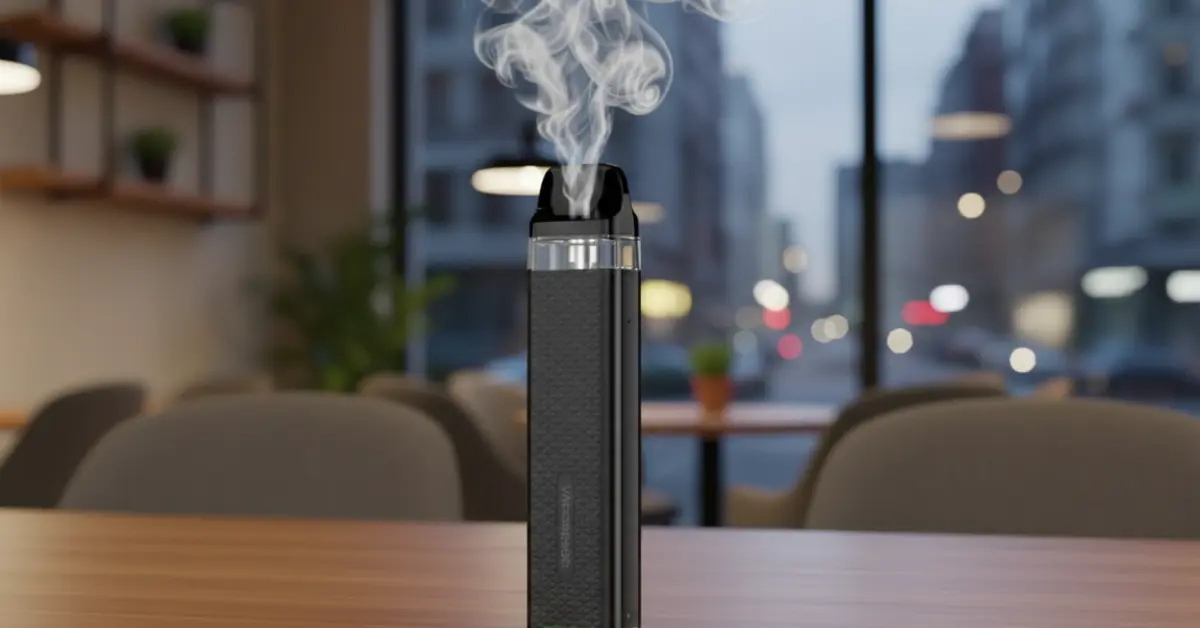
Vaping may look simple from the outside, but there is a lot happening inside a vape device every time someone takes a puff. Understanding how a vape works helps users make better choices, use devices correctly, and avoid common mistakes. While there are many types of vapes available today, the basic working principle remains the same across most devices. This guide explains the process clearly, without technical overload, so even beginners can follow along easily.
At its core, a vape is an electronic device designed to heat a liquid and turn it into vapor that can be inhaled. Unlike cigarettes, there is no burning involved. Instead of smoke, users inhale aerosol vapor produced through controlled heating.
The Basic Idea Behind Vaping
A vape works by using electrical energy to heat a liquid until it becomes vapor. This liquid, commonly called e-liquid or vape juice, sits inside a container within the device. When the device is activated, either by pressing a button or inhaling, the battery sends power to a heating element. That heating element warms the liquid just enough to create vapor, which is then inhaled through the mouthpiece.
This process avoids combustion, which is why vaping does not produce ash or smoke. The absence of burning is one of the main reasons vaping feels different from smoking.
Cannabis flower sits much higher, with most strains falling between 15% and 30% THC, and a few reaching stronger levels through selective breeding. Concentrates stand at the top of the potency range, often landing between 50% and 90% THC due to extraction methods that isolate cannabinoids into a dense, powerful form.
The Role of the Battery
The battery is the power source of every vape device. Most modern vapes use lithium-ion batteries because they are compact, rechargeable, and capable of delivering consistent power. Some devices have built-in batteries, while others allow users to replace them.
Battery capacity is usually measured in milliampere-hours (mAh). A higher number generally means longer usage time between charges. The battery does not just supply raw power, it works alongside internal electronics that control how much energy is delivered at any given moment.
Charging systems inside the device help prevent overcharging, overheating, and power surges. This built-in regulation plays a key role in overall device safety.
Smart Chips and Safety Controls
Inside a vape is a small circuit board that acts like the brain of the device. This chip controls how power flows from the battery to the heating element. It ensures that the device operates within safe limits and shuts things down if something goes wrong.
These internal controls monitor temperature, voltage, and resistance. If a coil is faulty or the battery level drops too low, the device may stop working or show a warning. This system runs in the background every time the vape is used and completes its checks in a fraction of a second.
Thanks to these safeguards, modern vapes are far more stable and predictable than earlier versions.
What Holds the Liquid
Every vape includes a section that stores the e-liquid. Depending on the device, this may be a refillable tank, a pod, or a sealed internal chamber. Tanks are usually made of glass or plastic and can be refilled manually. Pods can be refillable or pre-filled, depending on the design.
This liquid reservoir connects directly to the heating element. As the device is used, the liquid level gradually drops, signaling when it needs refilling or replacement.
How the Heating Element Works
The heating element, often called a coil, is responsible for turning liquid into vapor. It is made from metal wire or mesh and wrapped with absorbent material, usually cotton. The cotton soaks up the e-liquid from the reservoir.
When power reaches the coil, it heats up quickly. The soaked liquid reaches vaporization temperature and turns into inhalable vapor. After each puff, more liquid is absorbed into the cotton, preparing the coil for the next use.
Over time, coils wear out due to heat exposure and residue buildup. When flavor weakens or tastes burnt, it usually means the coil needs replacing.
Airflow and Inhalation
Airflow plays a major role in how a vape feels. When a user inhales, air enters through small vents in the device. This air passes over the heated coil, mixes with the vapor, and travels upward through a narrow channel to the mouthpiece.
Some devices allow airflow adjustment, changing how tight or open the draw feels. This affects vapor density, temperature, and throat sensation. Users who prefer a cigarette-like experience often choose tighter airflow, while others prefer more open airflow for larger vapor clouds.
The design of airflow is one reason different devices deliver different experiences, even when using the same e-liquid. Only the ones from trusted sellers work efficiently.
What Is in E-Liquid
E-liquid is a blend of a few basic ingredients. Most vape juices contain vegetable glycerin (VG), propylene glycol (PG), flavorings, and optional nicotine. VG produces thicker vapor, while PG carries flavor more effectively and provides a stronger throat sensation.
Different devices work better with different VG-PG ratios. Low-power devices usually perform best with thinner liquids, while higher-power devices can handle thicker blends.
Button-Activated vs Draw-Activated Vapes
Some vapes require pressing a button to activate the heating process. Others turn on automatically when the user inhales. Both types follow the same internal process but differ in how they are triggered.
Draw-activated devices are often simpler and popular with beginners. Button-activated devices provide more control over power and timing. The choice depends on user preference rather than performance differences.
|
Feature |
Button-Activated Vapes |
Draw-Activated Vapes |
|
Activation method |
User presses a button |
Activates automatically when inhaling |
|
Level of control |
More control over timing and power |
Minimal control, fully automatic |
|
Ease of use |
Slight learning curve |
Very beginner-friendly |
|
Risk of accidental firing |
Possible if button is pressed unintentionally |
Very low |
|
Common users |
Experienced or regular vapers |
Beginners and casual users |
How Disposable Vapes Function
Disposable vapes are designed for convenience. They come pre-filled and pre-charged, with all components sealed inside one unit. Internally, they still rely on the same principles, a battery, a heating element, and liquid storage.
Instead of refillable tanks, disposables often use saturated internal wicks that hold the liquid. As the device is used, the liquid is gradually vaporized until it runs out. At that point, the entire device is discarded.
Many first-time users encounter disposables while learning how does a vape work, as these devices remove most setup steps.
Why Vaping Feels Different for Everyone
The vaping experience varies widely from person to person. Factors like airflow, coil resistance, liquid composition, and power output all influence how vapor feels. Even inhalation style plays a role.
Because of this, two devices can function the same way internally yet feel completely different during use. This flexibility is part of why vaping technology continues to evolve.