
Delta 8 THC (delta-8-tetrahydrocannabinol) is a psychoactive cannabinoid found naturally in very small amounts in hemp plants. It produces intoxicating effects similar to delta-9 THC but is generally reported to be milder, often described as clearer and less overwhelming. Because natural concentrations are extremely low, most delta 8 products on the market are made by converting hemp-derived CBD into delta 8 through a chemical process.
This guide is for adult consumers researching hemp-derived cannabinoids, comparing product types, or evaluating safety and legality before purchasing.
Understanding Cannabinoids and How Delta 8 Works
Cannabinoids are chemical compounds that interact with the body’s endocannabinoid system (ECS). The ECS helps regulate mood, appetite, memory, pain perception, and sleep. Delta 8 binds primarily to CB1 receptors in the central nervous system.
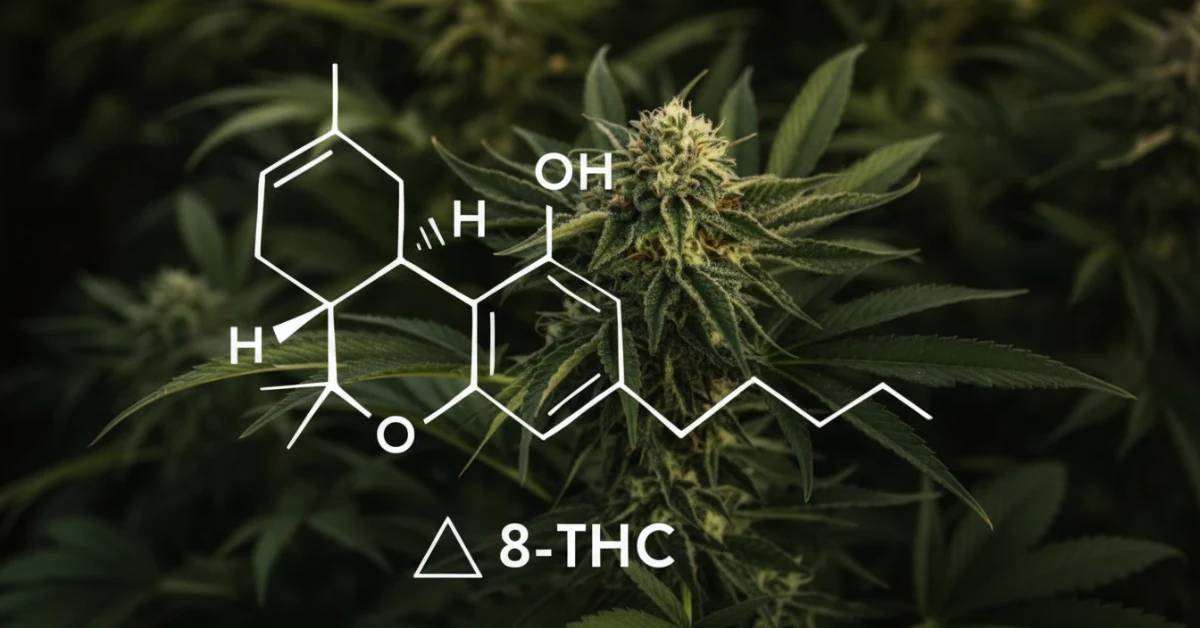
Chemically, delta 8 is an isomer of delta-9 THC. Both share the same molecular formula, but the location of a double bond differs:
Compound | Double Bond Location | Relative Potency |
Delta-8 THC | 8th carbon chain | ~50–66% of delta-9 |
Delta-9 THC | 9th carbon chain | Stronger |
This small structural difference reduces how strongly delta 8 binds to CB1 receptors, which is why many users report a milder psychoactive experience.
How Is Delta 8 THC Produced?
Delta 8 occurs naturally in hemp in trace levels, typically far below 1%. To create commercially viable amounts:
- CBD is extracted from federally legal hemp (≤0.3% delta-9 THC by dry weight).
- The CBD undergoes isomerization, a chemical conversion process.
- Acids and solvents rearrange the molecule into delta 8 THC.
- The material is refined and distilled.
Because this process involves chemical reactions, manufacturing quality matters significantly. Poor refinement may leave residual solvents, byproducts, or unintended cannabinoids. This is why third-party lab testing is critical when purchasing delta 8 products.
Effects of Delta 8 THC
Delta 8 has psychoactive properties. While individual responses vary, commonly reported effects include:
- Mild euphoria
- Relaxation
- Improved appetite
- Enhanced mood
- Light sedation
- Clear-headed high compared to delta-9
A 2022 survey study of over 500 participants reported 71% experienced relaxation, 68% reported euphoria, 55% noted pain relief, and 57% said they used delta 8 as a substitute for delta-9. However, more clinical research is needed to confirm long-term benefits and safety.
Potential Side Effects
Even though many users describe delta 8 as “lighter,” it is still intoxicating. Reported short-term side effects include:
- Drowsiness
- Dry mouth
- Red eyes
- Dizziness
- Confusion
- Anxiety
- Vomiting
According to FDA adverse event data (Dec 2020–Feb 2022), 104 reported cases, 55% required emergency intervention or hospitalization, 66% involved edible ingestion, and 77% involved adults, 8% pediatric cases.
Poison control centers recorded 2,362 exposure cases in a similar period, with 41% involving minors. These statistics highlight the importance of proper dosing and safe storage, especially with edibles that resemble candy.
Delta 8 THC and Drug Testing
Yes, delta 8 can trigger a positive THC drug test. Standard urine drug screens detect THC metabolites and typically do not distinguish between delta-8 and delta-9. If you are subject to workplace testing, it is safest to avoid delta 8 products.
Is Delta 8 THC Legal?
Legality depends on federal and state laws. The 2018 Farm Bill legalized hemp and hemp derivatives containing less than 0.3% delta-9 THC by dry weight. Because delta 8 can be derived from hemp-based CBD, it entered a legal gray area.
However the FDA has not approved delta 8 for safe use. The DEA has indicated synthetically produced THC may fall under controlled substance rules.
State Level
As of 2025:
- Around 30 states permit delta 8 in some form.
- 15+ states restrict or ban possession or sales.
- Several states regulate it under marijuana frameworks.
Always verify local regulations before purchasing.
Methods of Consumption
Delta 8 is available in multiple formats:
1. Edibles
Gummies, chocolates, beverages
- Effects begin in 30–120 minutes
- Last 4–8 hours
- Higher risk of overconsumption
2. Vapes
Disposable pens or cartridges
- Effects within minutes
- Shorter duration (2–4 hours)
- Inhalation risks
3. Tinctures
- Moderate onset (15–45 minutes)
- More controlled dosing
4. Capsules
Pre-measured oral doses
- Slower onset
- Longer-lasting
For accurate dosing, many adults prefer delta 8 tinctures or precisely dosed delta 8 gummies.
Comparing Delta 8 With Other Cannabinoids
Cannabinoid | Psychoactive | Regulation | Typical Source |
Delta-8 THC | Yes (mild) | State-dependent | Hemp-derived CBD conversion |
Delta-9 THC | Yes (stronger) | State-regulated | Direct plant extraction |
CBD | No | Federally legal | Hemp extraction |
CBD does not produce intoxication, making CBD oils and CBD gummies popular among wellness users seeking non-psychoactive options.
Safety Considerations
Key concerns with delta 8 products include unregulated manufacturing, mislabeling of potency, presence of heavy metals or solvents, and child-attractive packaging. Between 2021–2025, poison centers recorded over 10,000 exposure cases related to delta 8. Many involved accidental ingestion by children. To reduce risk:
- Buy from reputable retailers
- Verify third-party lab results
- Store products in child-resistant containers
- Start with low doses (5–10 mg for beginners)
How to Choose Quality Delta 8 Products
When shopping online, always confirm hemp source (U.S.-grown preferred), review Certificate of Analysis (COA), check delta-9 levels are ≤0.3%, avoid products without transparency, and ensure clear dosage labeling. Trusted retailers provide lab-tested delta 8 options along with other cannabinoid products like full-spectrum CBD.
Final Thoughts
Delta 8 THC is a hemp-derived cannabinoid that offers psychoactive effects reported to be milder than delta-9 THC. While many adults use it for relaxation and mood support, regulatory gaps and manufacturing risks require careful product selection. Understanding potency, legal status, drug testing implications, and safe storage practices is essential before purchase.
What is delta 8 THC in simple terms?
Delta 8 THC is a hemp-derived psychoactive cannabinoid that produces a milder high than delta-9 THC. It interacts with the body’s endocannabinoid system to influence mood and perception.
Is delta 8 stronger than delta-9 THC?
No. Delta 8 is generally considered about 50–66% as potent as delta-9 THC due to differences in molecular bonding and receptor binding strength.
Can delta 8 make you fail a drug test?
Yes. Standard drug tests detect THC metabolites and typically cannot differentiate between delta-8 and delta-9.
Is delta 8 approved by the FDA?
No. The FDA has not evaluated or approved delta 8 THC products for safe use in any context.
Is delta 8 safe?
Safety depends on product quality, dosage, and individual tolerance. Because manufacturing is often unregulated, contaminants and inconsistent potency remain concerns.
How long do delta 8 effects last?
Edibles may last 4–8 hours, while inhaled products usually last 2–4 hours. Onset time depends on the method of consumption.