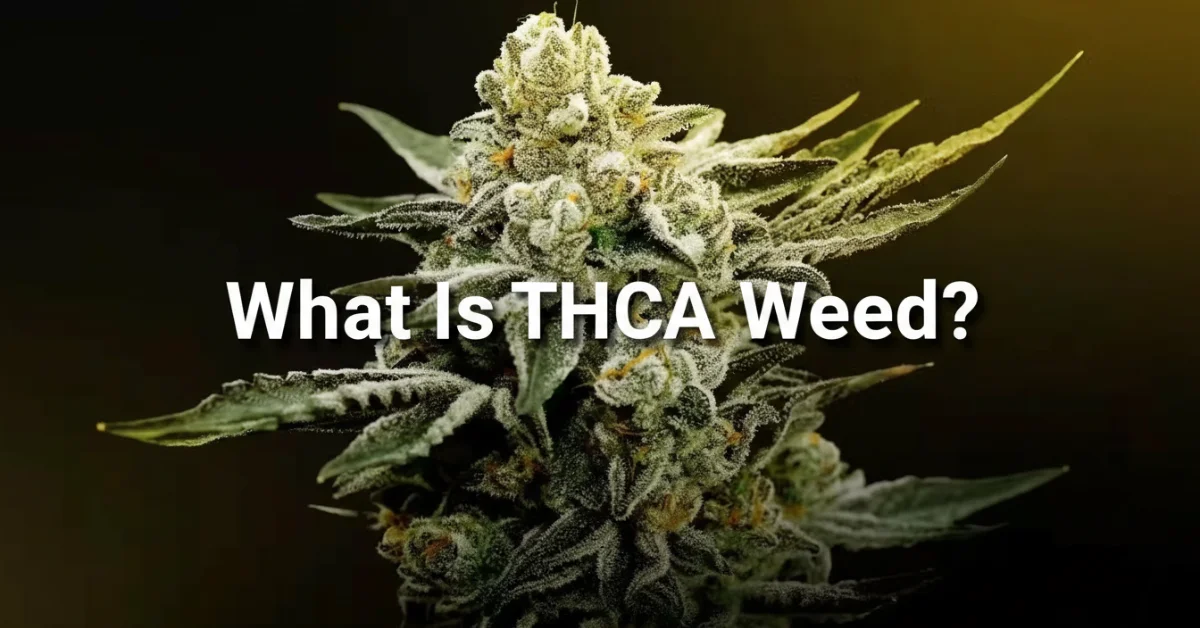
THCA weed is a non-intoxicating form of tetrahydrocannabinolic acid found in raw cannabis plants. Unlike THC, it does not produce a high unless heated, making it suitable for users seeking potential therapeutic benefits such as anti-inflammatory, neuroprotective, and anti-nausea effects without psychoactive impact. THCA is ideal for wellness-focused consumers, patients managing chronic conditions, and anyone interested in cannabinoids for natural health support. Its presence in products like THCA flower and topicals offers versatile ways to incorporate it safely into a routine.
Raw THCA is abundant in fresh flower buds and unprocessed plant material. Its unique chemical structure, which includes a carboxylic acid group, prevents it from binding effectively to receptors in the brain responsible for euphoric sensations. As a result, THCA offers a different profile of effects, focused more on potential therapeutic benefits than psychoactivity.
THCA vs. THC: Key Differences
While both THCA and THC share similar origins, their effects and chemical properties differ significantly:
Feature | THCA | THC |
Psychoactive Effect | None in raw form | Produces a high |
Chemical Structure | Contains a carboxylic acid group (COOH) | Lacks the COOH group |
Conversion Process | Becomes THC when heated (decarboxylation) | Already active |
Common Use | Raw consumption, tinctures, topicals | Smoking, vaping, edibles |
Legal Limits | Often legal under hemp regulations (<0.3%) | Regulated depending on region |
Decarboxylation occurs when heat is applied, such as during smoking, vaping, cooking, or dabbing. This process removes the carboxylic acid group, transforming THCA into THC and enabling psychoactive effects.
Potential Health Benefits of THCA
Research into THCA is ongoing, but preliminary studies and anecdotal evidence highlight several promising therapeutic properties:
1. Anti-Inflammatory Effects
THCA may help reduce inflammation, which is linked to chronic conditions like arthritis, inflammatory bowel disease, and general systemic inflammation. Its anti-inflammatory properties make it a potential option for individuals seeking natural ways to support immune response and reduce discomfort.
2. Neuroprotective Properties
Animal studies suggest that THCA could support brain health. It has demonstrated neuroprotective effects that may help slow the progression of neurodegenerative diseases such as Parkinson’s and Alzheimer’s. These properties are believed to come from THCA’s interaction with the nervous system and antioxidant activity.
3. Antiemetic Effects
THCA shows promise in alleviating nausea and vomiting, making it a potential supportive therapy for conditions that trigger these symptoms, including chemotherapy-related nausea.
4. Antioxidant Activity
THCA possesses antioxidant qualities, helping neutralize free radicals that can damage cells over time. Incorporating THCA into a wellness routine may complement other antioxidant-rich foods and supplements.
5. Pain Relief
Although not intoxicating, THCA interacts with the peripheral cannabinoid receptors, which can offer relief from mild to moderate pain without the psychoactive effects associated with THC.
Forms of THCA
THCA is available in several forms, catering to both recreational and wellness-focused consumers:
- THCA Flower: Raw buds rich in THCA that can be juiced, infused into recipes, or activated via heat for THC conversion.
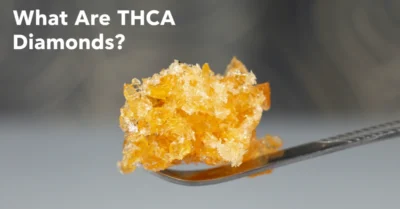
- THCA Diamonds/Crystals: Highly concentrated THCA in crystalline form, often used for dabbing.
- Tinctures: Liquid extracts designed for oral consumption, allowing precise dosing without heat activation.
- Topicals and Patches: Applied to the skin, providing localized relief for inflammation or discomfort without intoxicating effects.
- Edibles: Gummies or capsules containing THCA for controlled, non-intoxicating consumption.
For those exploring raw or infused forms, high-quality THCA flower can be purchased from trusted sources online, ensuring accurate labeling and purity.
Potential Risks and Considerations
While THCA is generally safe when used responsibly, some factors require attention:
1. Conversion to THC
Exposing THCA to heat converts it to THC, which can cause psychoactive effects. Unintended decarboxylation may lead to intoxication, especially for inexperienced users.
2. Contamination Risks
Products may be contaminated with heavy metals, pesticides, or other chemicals. Purchasing THCA from reputable sellers ensures product safety and consistency.
3. Individual Sensitivity
People react differently to cannabinoids. Even though raw THCA is non-intoxicating, those with low tolerance or heightened sensitivity may experience mild side effects, such as upset stomach or skin irritation.
4. Regulatory Variations
THCA legality depends on region and cannabinoid content. In the U.S., hemp-derived products containing less than 0.3% THC are generally legal, but laws vary by state. Understanding local regulations is crucial before purchasing or consuming THCA.
How to Use THCA Safely
- Start Low and Go Slow: Begin with small amounts to gauge your body’s reaction.
- Avoid Heat if Non-Intoxicating Use Is Desired: Juicing raw buds or taking tinctures prevents THC formation.
- Choose Quality Products: Only buy THCA from licensed producers that provide lab-tested results.
- Consult a Healthcare Provider: If you have medical conditions or are on medications, professional guidance is recommended.
THCA vs. Other Cannabinoids
THCA vs. CBD
- CBD is non-intoxicating and widely recognized for anti-anxiety, anti-inflammatory, and seizure-related benefits.
- THCA shares some overlapping properties but is unique for its potential in neuroprotection and nausea relief.
THCA vs. Delta-8 and Delta-9 THC
Final Thought
THCA weed represents an emerging area of interest for wellness enthusiasts. With careful use, high-quality products, and an understanding of its conversion to THC, THCA can be a valuable addition to a cannabinoid-focused routine.
Frequently Asked Questions
No, THCA in its raw form does not produce intoxication. Heating it converts THCA into THC, which can cause a high.
THCA contains a carboxylic acid group, preventing it from binding to brain receptors for psychoactive effects. THC lacks this group, making it intoxicating
Yes, in many regions, as long as the product contains less than 0.3% THC. Legal restrictions may vary by state or country.
THCA may offer anti-inflammatory, neuroprotective, anti-nausea, antioxidant, and pain-relieving effects. Research is ongoing to confirm these properties in humans.
THCA can be found in flowers, tinctures, edibles, topicals, patches, and crystalline diamonds for dabbing.
Yes, consuming THCA, especially if it converts to THC, can result in a positive drug test. Raw ingestion without heat reduces the risk but does not eliminate it entirely.