

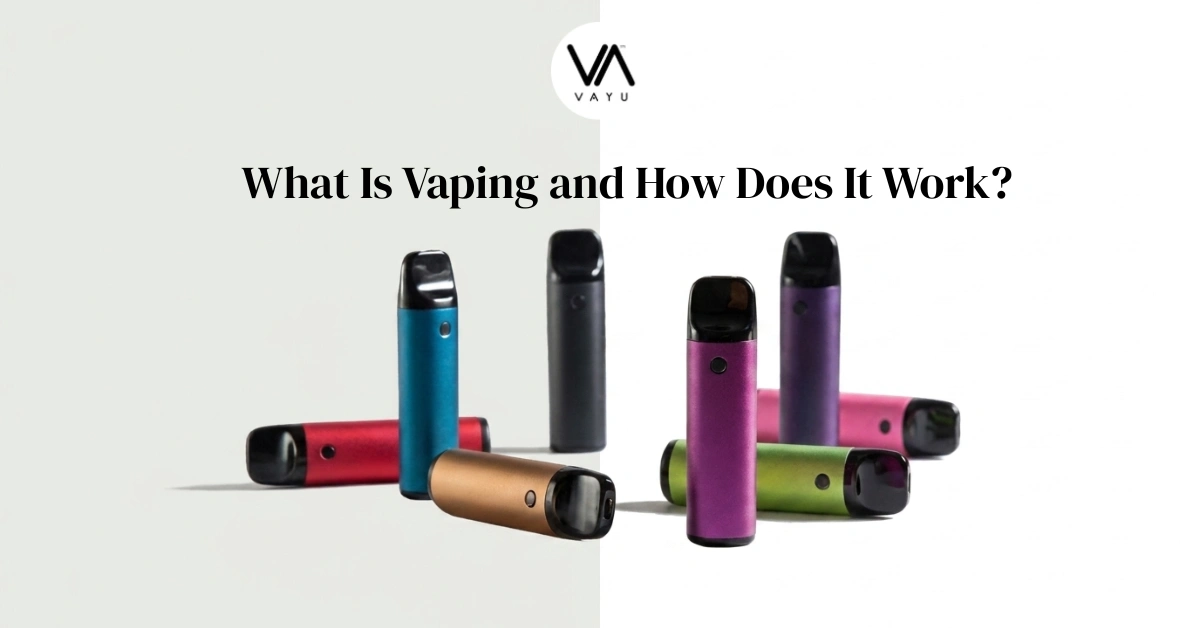
Vaping refers to the process of inhaling vapor created by heating plant-based compounds such as dried flower, oils, or concentrates without burning them. Unlike traditional smoking, vaping relies on controlled temperatures to release cannabinoids and terpenes in the form of a fine aerosol rather than smoke. This method has gained widespread popularity due to its smoother inhale, flavor clarity, and discreet nature.
At its core, vaping is about precision. Instead of combustion, which destroys many compounds and produces harmful byproducts, vaporization activates the desired elements at lower temperatures. This allows users to experience the plant’s chemical profile in a more controlled and refined way.
How Vaping Works
Vaping works through a simple but highly engineered process. A vape device uses a battery-powered heating system to warm material just enough to release active compounds without reaching the point of burning. This temperature-controlled approach is what separates vaping from smoking.
Most vaporizers operate within a temperature range of approximately 165°C to 220°C (330°F to 430°F). At this range, cannabinoids vaporize effectively while avoiding combustion, which typically occurs above 230°C. The process involves several internal components working together:
- Battery: Powers the device and controls heat levels
- Heating Element (Atomizer): Converts electrical energy into heat
- Chamber or Cartridge: Holds oil, flower, or concentrates
- Mouthpiece: Allows inhalation of the produced vapor
When the device is activated, the heating element warms the material. This releases cannabinoids and terpenes as vapor, which is then inhaled through the mouthpiece. The result is a fast-acting experience without the harshness associated with smoke.
Types of Vaporizers
Vaporizers are not one-size-fits-all. Different device types are designed to suit various materials and user preferences. Understanding these categories helps clarify how vaping adapts to different consumption styles.
- Vape Pens: Compact devices that work with pre-filled cartridges containing concentrated oil
- Dry Herb Vaporizers: Designed for ground flower, offering more control over temperature and flavor
- Concentrate Vaporizers (Dab Pens): Built for extracts like wax or shatter, delivering stronger effects
- Desktop Vaporizers: Larger, stationary units known for consistent performance and vapor quality
Each type uses the same fundamental principle of controlled heating, but the intensity, efficiency, and experience can vary significantly.
Conduction vs. Convection Heating
The way heat is applied inside a vaporizer plays a major role in performance and output. Two primary heating methods define how vapor is produced.
- Conduction heating occurs when material is placed in direct contact with a heated surface. This method allows for faster heat-up times and is commonly used in vape pens. However, it may heat unevenly if the material is not properly distributed.
- Convection heating, on the other hand, uses hot air that circulates around the material. This method provides more even heating and reduces the risk of burning. It typically produces smoother vapor and better flavor but may take longer to reach optimal temperature.
Some advanced vaporizers combine both methods to balance efficiency and quality.
Flower vs. Concentrates in Vaping
One of the defining aspects of vaping is the choice between flower and concentrates. Each option offers a different experience in terms of potency, flavor, and efficiency.
Flower usually contains 15% to 25% cannabinoids, making it a moderate option. When vaporized, it delivers a balanced experience with noticeable terpene flavor and aroma. It also allows for more precise temperature control, which can highlight specific compounds.
Concentrates, on the other hand, are significantly stronger, often containing 50% to 80% cannabinoids or more. These include oils, wax, and shatter, commonly used in cartridges or dab pens. Because of their potency, concentrates produce stronger effects with smaller amounts.
This difference in concentration makes device compatibility important, as not all vaporizers are designed to handle both forms.
Temperature Control and Its Impact
Temperature is one of the most critical factors in vaping. Different compounds vaporize at different temperatures, which means adjusting heat levels can change the overall experience.
- Lower temperatures (around 160°C–180°C) tend to produce lighter vapor with more pronounced flavor and aroma. Terpenes are preserved better at this range, resulting in a smoother inhale.
- Medium temperatures (180°C–200°C) provide a balanced effect, activating both cannabinoids and terpenes efficiently. This range is commonly preferred for everyday use.
- Higher temperatures (200°C–220°C) create denser vapor and stronger effects but may reduce flavor quality. While still below combustion, excessive heat can degrade delicate compounds.
This ability to fine-tune temperature is one of the reasons vaping is considered more controlled compared to smoking.
Effects and Onset Time
Vaping delivers effects quickly because the vapor is inhaled directly into the lungs, allowing cannabinoids to enter the bloodstream rapidly. Most users begin to feel effects within a few minutes, making it a fast-acting method.
The duration of effects typically ranges from 40 minutes to 2 hours, depending on the potency of the material and individual tolerance. Concentrates tend to produce longer-lasting and more intense effects compared to flower. Because of this rapid onset, vaping allows for better dose control. Users can take smaller inhalations and gradually adjust their intake rather than consuming a fixed amount at once.
Benefits of Vaping
Vaping offers several distinct advantages over traditional smoking, primarily due to the absence of combustion and the precision of temperature control.
- Produces vapor instead of smoke, reducing exposure to unwanted byproducts
- Enhances flavor by preserving terpenes
- Provides a smoother inhalation experience
- Offers discreet usage with less lingering odor
- Allows better control over potency and dosage
These factors contribute to its growing adoption among both new and experienced users.
Comparison Table: Flower vs. Concentrates in Vaping
Feature | Flower | Concentrates |
Cannabinoid Content | 15% – 25% | 50% – 80%+ |
Flavor Profile | Natural, terpene-rich | Intense, sometimes enhanced |
Potency | Moderate | High to very high |
Consumption Amount | Higher quantity needed | Small amounts required |
Device Compatibility | Dry herb vaporizers | Vape pens, dab pens |
Effects Duration | Balanced and moderate | Stronger and longer-lasting |
Potential Risks and Considerations
Despite its advantages, vaping is not without concerns. The safety of vaping depends heavily on product quality, device reliability, and usage habits. One of the main risks comes from low-quality or unregulated cartridges that may contain harmful additives or solvents. These substances can produce unwanted compounds when heated.
Another consideration is lung irritation. While vapor is generally smoother than smoke, inhaling any aerosolized substance may still affect respiratory health over time. Research on long-term effects remains limited, which means vaping should be approached with awareness of potential uncertainties.
How Vaping Differs from Smoking
The key difference between vaping and smoking lies in combustion. Smoking involves burning material, which creates smoke filled with harmful byproducts. Vaping avoids this process entirely by heating material at lower temperatures.
This difference leads to noticeable changes in experience. Vapor is typically lighter, less harsh, and more flavorful than smoke. It also dissipates faster and leaves less odor on clothing and surroundings. From a functional standpoint, vaping is also more efficient. Since cannabinoids are not destroyed by high heat, a greater proportion of active compounds can be utilized.
What is vaping?
Vaping is inhaling vapor created by heating material without burning it. It releases cannabinoids and terpenes in a smoother, smoke-free form.
How does a vape device work?
A vape heats material using a battery-powered element that turns it into vapor. The vapor is then inhaled through a mouthpiece.
Is vaping stronger than smoking?
Vaping can feel stronger because it preserves more cannabinoids. Concentrates, in particular, deliver much higher potency than flower.
What temperature is best for vaping?
Most users prefer 180°C–200°C for a balanced effect and flavor. Lower temperatures enhance taste, while higher ones increase intensity.
Is vaping safe?
Vaping is generally considered less harmful than smoking, but risks still exist. Product quality and device safety play a major role.
Shop VAYU - Lab-Tested, Hemp-Derived, 21+
Every VAYU product is third-party lab-tested with a published Certificate of Analysis. Explore THCA flower, concentrates, vapes, gummies and pre-rolls.

