Properly curing THCA flower is one of the most critical yet least visible steps in producing a high-quality hemp product. While cultivation and harvesting often get the most attention, curing is the stage where THCA flower develops its final aroma, stability, smoothness, and overall usability. Without careful curing, even well-grown flower can lose value, degrade faster, or fail to deliver a consistent experience. For consumers who care about quality, safety, and performance, curing plays a decisive role in how THCA flower ultimately performs.
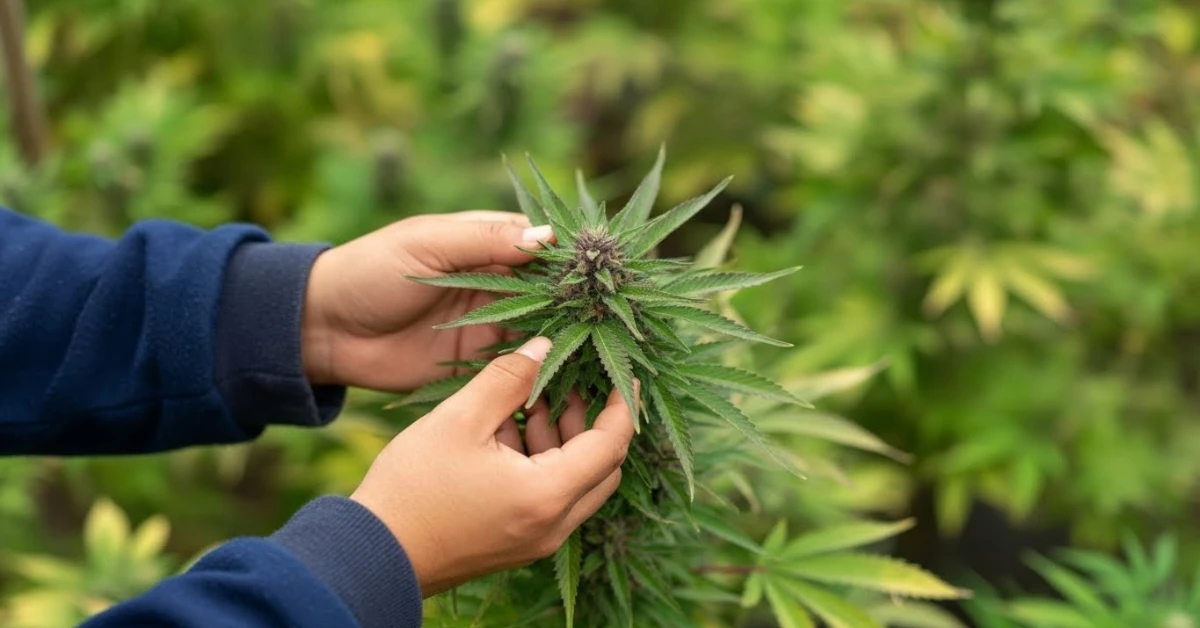
Curing takes place after drying and involves controlled aging under specific environmental conditions. During this period, internal moisture redistributes, plant compounds stabilize, and undesirable elements gradually break down. The goal is not speed but balance. A properly cured THCA flower feels fresh yet dry, smells clean and strain-accurate, and maintains structural integrity without crumbling or feeling damp.
Why Curing Matters Specifically for THCA Flower
THCA flower differs from many other hemp products because it is valued for its raw cannabinoid profile rather than decarboxylated THC. This makes curing even more important. Poor curing can trigger premature degradation, unwanted chemical changes, or terpene loss. When curing is done correctly, THCA remains stable, aromatic compounds are preserved, and the flower maintains its intended character from harvest to consumption.
Another reason curing matters is consistency. Consumers expect THCA flower to perform the same way each time. Proper curing reduces batch variability and helps ensure that potency, flavor, and texture remain uniform across jars and over time. This is especially important for brands that also offer related products such as THCA pre-rolls or infused flower, where consistency affects the entire product line.
What Happens During the Curing Process
During curing, several slow but meaningful changes occur inside the flower. Residual moisture trapped in the inner plant material gradually moves outward and evaporates in a controlled way. At the same time, enzymes continue to break down chlorophyll and other plant byproducts that can cause harshness or grassy aromas if left unchecked.
Terpenes, which are responsible for aroma and flavor, also stabilize during curing. Rushed or poorly managed curing environments can cause these volatile compounds to evaporate or degrade. Over time, proper curing allows the flower’s natural scent profile to become clearer and more refined rather than sharp or unstable.
Impact on Aroma, Flavor, and Smoothness
One of the most noticeable differences between cured and uncured THCA flower is sensory quality. Proper curing results in a cleaner aroma, a smoother draw when heated, and a more predictable flavor profile. Harshness is often a sign that curing was rushed or incomplete.
For users who vaporize flower or compare it to other hemp formats like vapes, the difference becomes even more obvious. Smoothness and flavor clarity depend heavily on how well the flower was cured, not just on strain genetics or cultivation methods.
Stability, Shelf Life, and Safety
Curing directly affects how long THCA flower remains usable. Excess moisture can encourage microbial growth, while over-drying can lead to brittleness and terpene loss. Proper curing strikes a middle ground that protects the flower during storage and transport.
From a safety perspective, curing helps reduce the risk of mold and bacterial contamination. When moisture levels are balanced and the flower is stored correctly, the risk of spoilage drops significantly. This is especially important for consumers who buy in bulk or store flower for extended periods.
In some cases, vaping can actually result in higher THC absorption due to efficient delivery methods, particularly with high-potency cartridges. This may increase the likelihood of a positive result, especially with frequent use.
Environmental Control and Quality Outcomes
Temperature, humidity, airflow, and light exposure all influence curing outcomes. Stable conditions allow gradual chemical balance, while fluctuations can disrupt the process. Dark environments help protect sensitive compounds, and gentle air exchange prevents stagnation without overdrying.
Although consumers do not control curing themselves, understanding these factors helps explain why some THCA flower feels superior to others. Brands that invest in controlled curing environments tend to deliver more reliable quality across their THCA flower and CBD flower offerings.
Properly Cured vs Poorly Cured THCA Flower
Quality Aspect | Properly Cured THCA Flower | Poorly Cured THCA Flower |
Aroma | Clean, strain-accurate | Grassy, musty, or flat |
Texture | Firm but not brittle | Too dry or too moist |
Smoothness | Smooth and consistent | Harsh or uneven |
Shelf Life | Stable over time | Degrades quickly |
This comparison highlights why curing is not optional but essential for maintaining product standards.
Relationship Between Curing and Potency Perception
While curing does not artificially increase THCA levels, it affects how potency is perceived. A well-cured flower delivers cannabinoids more consistently and predictably. Poor curing can mask potency behind harshness or unstable performance, leading users to underestimate product quality.
This consistency matters for users who rotate between formats, such as flower and concentrates, or who are mindful of factors like drug testing.
Consumer Trust and Product Transparency
Proper curing reflects a brand’s commitment to quality. Consumers increasingly look for transparency in sourcing, processing, and storage. When THCA flower is cured correctly, it signals attention to detail and respect for the end user.
Brands that also offer lab-tested options, educational resources, and related hemp products build stronger trust. Whether someone is exploring THCA flower for the first time or comparing it with alternatives like vapes, curing quality plays a role in overall satisfaction.
Frequently Asked Questions
THCA flower relies on raw cannabinoid stability and terpene preservation, making curing essential for maintaining quality and consistency.
Properly cured flower has a clean aroma, balanced dryness, smooth performance, and no signs of mold or excessive brittleness.
Yes. Proper curing improves shelf life by stabilizing moisture and protecting sensitive compounds.
Lab tests measure chemical content, not sensory quality. Poor curing can still pass tests but deliver an inferior experience.
Yes. Flower quality influences pre-roll performance and helps users understand differences between inhalation methods.