

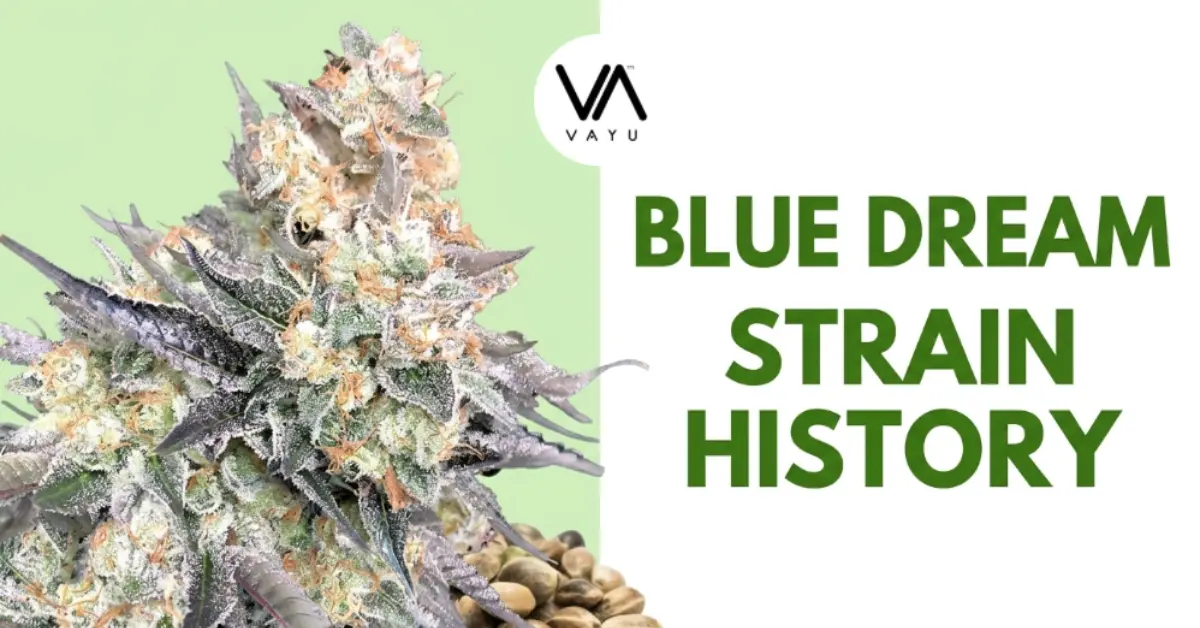
Some strains trend for a year and disappear. Others stay popular for decades. Blue Dream belongs in the second category. For more than twenty years, Blue Dream has remained one of the most recognized names in the flower market. It became famous for its balanced effects, sweet berry aroma, reliable genetics, and approachable experience. Even as hundreds of new hybrids entered the market, Blue Dream continued to hold its place among top-selling strains.
Its popularity did not happen by accident. The strain arrived at the right time, offered consistent results, and appealed to both beginners and experienced consumers. Many people describe it as functional, uplifting, flavorful, and easy to enjoy during the day. Blue Dream also helped shape modern breeding trends. Countless newer hybrids now trace part of their genetics or terpene direction back to this strain.
This guide explains where Blue Dream came from, how it became so popular, what its genetics look like, which terpenes define it, and why it still dominates menus today.
What Is Blue Dream?
Blue Dream is a sativa-dominant hybrid usually described as a 60/40 balance. It combines the genetics of Blueberry and Super Silver Haze. The result is a strain known for mental uplift paired with gentle body relaxation. Instead of feeling too heavy or too stimulating, Blue Dream sits somewhere in the middle.
That balance became one of its biggest strengths. Many modern strains lean strongly in one direction. Some feel deeply sedating. Others create intense cerebral stimulation. Blue Dream gained popularity because it avoided extremes and offered a smoother overall experience.
Most versions feature moderate to high cannabinoid levels, often ranging between 17% and 24%, depending on cultivation methods and phenotype variation.
The Origins of Blue Dream
The exact creator of Blue Dream remains unknown. Most reports trace its origin to Santa Cruz, California, during the early 2000s. At that time, Northern California had become a major center for experimental breeding and indoor cultivation. Growers were searching for strains with stronger aroma, larger yields, and more balanced effects.
Blue Dream appeared during that period and quickly spread through clone-only circulation. Early growers shared cuttings rather than seeds, which helped preserve consistency across crops. Its parent strains played a major role in shaping its identity:
Parent Strain | Main Contribution |
Blueberry | Sweet berry aroma, body relaxation |
Super Silver Haze | Mental energy, uplifting effects |
Combined Result | Balanced hybrid with smooth daytime appeal |
This pairing created something that appealed to a wide audience almost immediately.
Why Blue Dream Became So Popular
Blue Dream succeeded because it solved several common problems at once. Many strong daytime strains created racing thoughts or mental intensity. Heavy evening strains often caused excessive sedation. Blue Dream offered a middle ground that felt more manageable. Several factors pushed its popularity even further.
Balanced Effects
The strain became known for combining mental clarity with physical calm. Many users described it as creative without feeling overwhelming. That made it popular among daytime consumers.
Easy Flavor Profile
Some strains carry sharp fuel, skunk, or earthy flavors that newer consumers find difficult. Blue Dream introduced sweeter berry-forward notes that felt softer and more approachable.
Strong Growing Performance
Growers also helped make Blue Dream famous. The plant produced heavy yields, adapted well to indoor and outdoor setups, and responded strongly to training techniques. Because of that, cultivators continued growing it year after year.
Consistency
Perhaps most importantly, Blue Dream delivered predictable results. Consumers often knew what to expect from it, which built trust over time.
Blue Dream Genetics Explained
Blue Dream combines two legendary genetic lines.
Blueberry
Blueberry contributed sweetness, fruit-forward aroma, and body relaxation. Developed by breeder DJ Short, Blueberry became famous long before Blue Dream appeared. Its genetics are associated with berry-heavy terpene profiles and calming physical effects.
Super Silver Haze
Super Silver Haze brought the energetic side of Blue Dream. This strain became known for cerebral stimulation, focus, and creativity. The haze lineage also added citrus, spice, and earthy complexity to the aroma profile.
Why the Combination Worked
Some hybrids fail because one parent dominates the experience too heavily. Blue Dream succeeded because both sides remained noticeable. The berry sweetness softened the sharper haze profile, while the haze genetics prevented the strain from becoming overly sedating. That balance became the defining feature of Blue Dream.
Blue Dream Aroma and Flavor Profile
Blue Dream remains one of the easiest strains to identify by smell alone. Most phenotypes feature sweet berry aromas immediately after opening the container. Many also include subtle citrus, herbal, pine, and earthy notes underneath. Common flavor notes include:
- Blueberry
- Sweet fruit
- Citrus zest
- Earthy pine
- Light herbal spice
The inhale often tastes sweeter than the exhale. Some cuts also carry mild diesel undertones from the haze lineage. Its aroma profile helped introduce many consumers to terpene-focused shopping.
Dominant Terpenes in Blue Dream
Terpenes play a major role in how Blue Dream feels. The exact profile changes slightly between growers, but several compounds appear consistently.
Terpene | Common Aroma | Role in Overall Experience |
Myrcene | Earthy, fruity | Relaxation and body calm |
Pinene | Pine, herbal | Mental clarity and alertness |
Caryophyllene | Pepper, spice | Warm, balanced depth |
Limonene | Citrus | Brightness and mood lift |
The interaction between these compounds creates much of the strain’s signature balance. Instead of relying only on cannabinoid strength, Blue Dream benefits from terpene synergy that shapes the overall experience more smoothly.
Typical Effects of Blue Dream
Blue Dream is often described as functional and versatile. Many users report an early cerebral uplift followed by softer physical relaxation later in the session. The transition usually feels gradual rather than abrupt. Commonly reported effects include:
Mental Effects | Physical Effects |
Creative thinking | Mild body relaxation |
Elevated mood | Reduced tension |
Mental clarity | Calm physical sensation |
Social ease | Light full-body comfort |
Because the strain usually avoids strong sedation, many people prefer it during the daytime or early evening.
Why Beginners Often Choose Blue Dream
Blue Dream developed a reputation as a beginner-friendly option for several reasons. The effects tend to arrive smoothly rather than aggressively. The flavor profile feels approachable, and the balance between mental and physical effects remains moderate compared to stronger modern hybrids.
Many newer strains now exceed 30% cannabinoid levels and produce much heavier experiences. Blue Dream generally feels more manageable. That does not mean it is weak. It simply delivers effects in a steadier and more balanced way.
Growing Characteristics of Blue Dream
Blue Dream is well known among growers for its strong production potential and reliable performance. Indoors, the plant can grow quite tall, so pruning and training methods like topping are commonly used to control its height and improve light exposure.
Outdoors, it performs best in warm, stable climates with good sunlight and balanced humidity. Most plants flower within 9 to 10 weeks and can produce high yields when properly maintained. The buds are typically dense, resin-rich, and carry strong aromatic and terpene qualities, which adds to its popularity in cultivation.
Blue Dream Variations
As demand grew, breeders created multiple spin-offs and phenotype variations inspired by the original. Popular examples include:
- Blue Dream Haze
- Mendo Blue Dream
- Tahoe Blue Dream
- Dark Blue Dream
- Blueberry Dream
These versions often adjust potency, terpene intensity, or physical effects while keeping the signature berry-forward profile.
Why Blue Dream Still Matters Today
The flower market changes constantly. New genetics appear every month. Yet Blue Dream continues to remain relevant. Part of that comes from nostalgia. Many long-time consumers associate it with early West Coast cultivation culture. But the strain also survives because it still performs well.
Its balanced experience, recognizable aroma, reliable genetics, and approachable profile continue attracting new consumers every year. Very few strains remain popular across multiple generations of users. Blue Dream managed to do exactly that.
Conclusion
Blue Dream became legendary because it delivered consistency at a time when the market was rapidly evolving. Its combination of berry sweetness, haze energy, smooth balance, and dependable effects helped it stand apart from countless other hybrids. More than two decades later, it still remains one of the most recognizable strains in the industry.
Its history reflects more than simple popularity. Blue Dream helped shape modern breeding trends, terpene-focused shopping, and balanced daytime hybrids that many consumers still prefer today. For many people, it remains the benchmark for what a versatile hybrid should feel like.
Is Blue Dream a sativa or hybrid?
Blue Dream is a sativa-dominant hybrid. Most versions are described as a 60/40 balance between uplifting and relaxing effects.
What strains created Blue Dream?
Blue Dream was created by crossing Blueberry with Super Silver Haze.
Why is Blue Dream so popular?
Its popularity comes from balanced effects, sweet berry flavor, reliable genetics, and approachable daytime usability.
What does Blue Dream smell like?
Most phenotypes carry sweet blueberry aromas mixed with citrus, pine, earth, and light herbal notes.
Which terpenes are most common in Blue Dream?
Myrcene, pinene, caryophyllene, and limonene are usually the dominant terpenes.
Is Blue Dream considered beginner friendly?
Many consumers consider Blue Dream beginner friendly because its effects tend to feel smoother and more balanced than stronger modern hybrids.
Shop VAYU - Lab-Tested, Hemp-Derived, 21+
Every VAYU product is third-party lab-tested with a published Certificate of Analysis. Explore THCA flower, concentrates, vapes, gummies and pre-rolls.

